HANAMI A LA CAMPAGNE
6 lieux pour admirer les fleurs de cerisiers à Nara
When you're planning a trip to Japan to enjoy the cherry blossom season, it’s so easy to get caught up in the same popular spots, especially in Tokyo and Kyoto. While these places are undeniably beautiful, they always get super crowded and the experience can feel totally underwhelming.
But here’s a fun fact: cherry blossoms bloom everywhere across the country at different times! You can find them in every little town, village, forest, mountain, temple, and shrine—just about everywhere you look! So, when people ask me if Japan is worth visiting during cherry blossom season even though it's very touristic, I always say a big yes BUT with one little tip: escape the bustling cities and explore the countryside! My take on this : you search for the "Top 15 Best Sakura Spots" online and carefully avoid them all. Take a train, or better, if you can drive in Japan, rent a car and head for a random town far from the big cities during the season (according to the weather and blooming forecast). You might be surprised to find that even the most ordinary places can turn into something magical during this time.
But if I had to recommend just one place, it would be Nara Prefecture. Not the city, which is nice though, but rather the countryside in the south and east of the prefecture. In my opinion, you can find some of the most beautiful spots to enjoy the cherry blossom season in a charming and traditional Japanese countryside setting. I have selected 6 spots, but there are actually many more that are worth visiting. Beyond the specific locations, the nature of the season creates a truly magical experience for a short time, and the roads leading to these spots are just as worthwhile as the destinations themselves.
1 - TSUBOSAKA-DERA
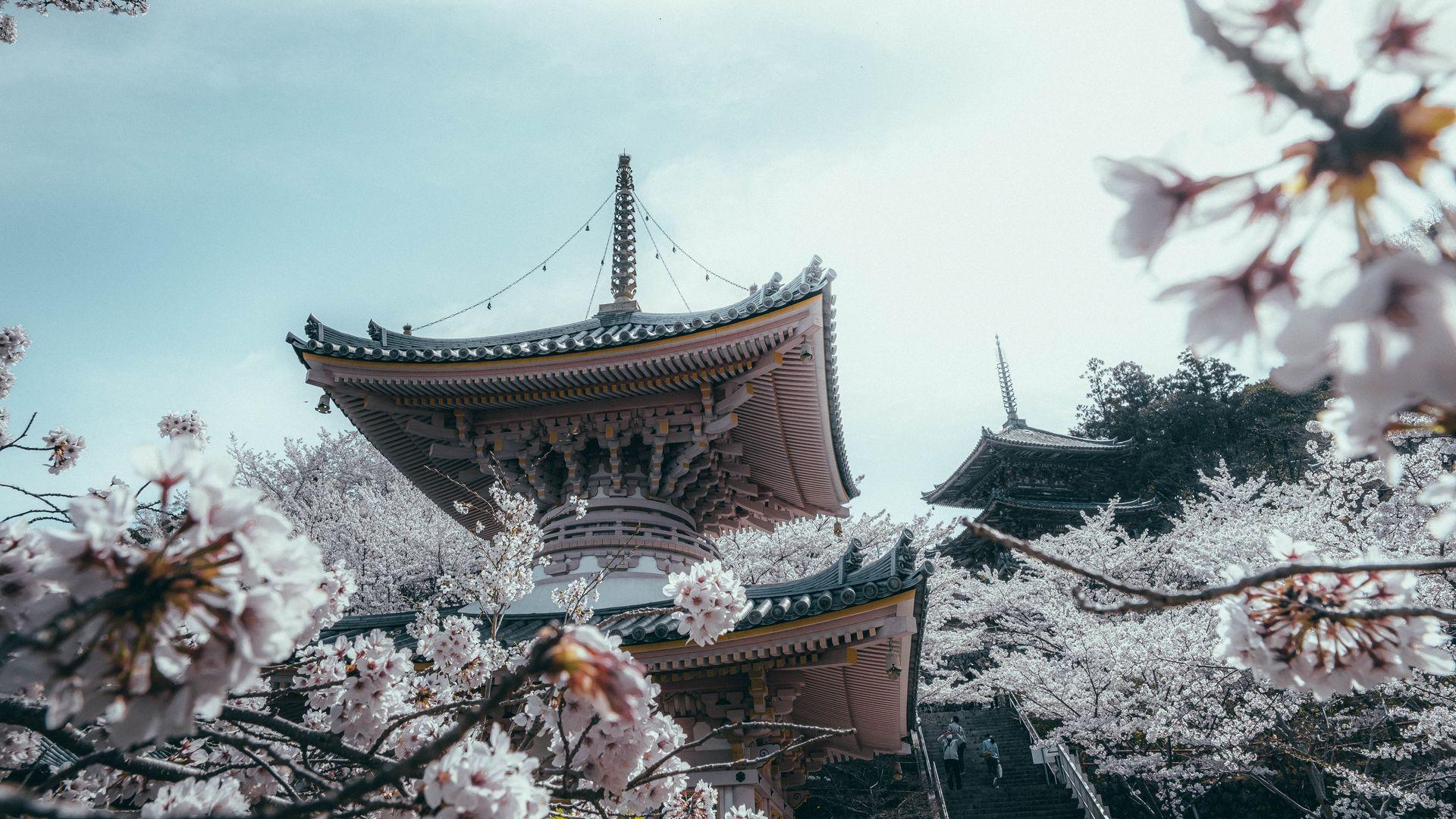
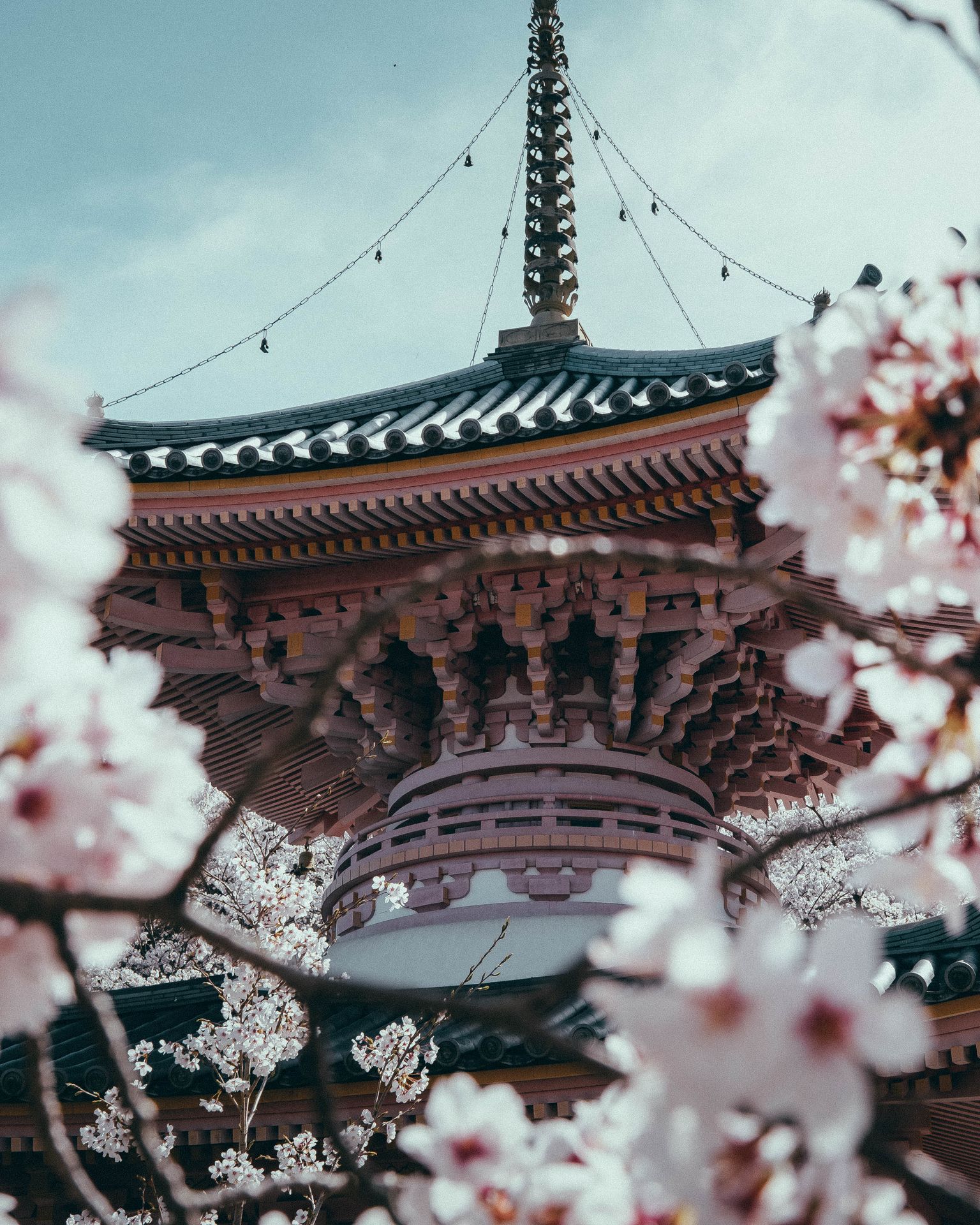
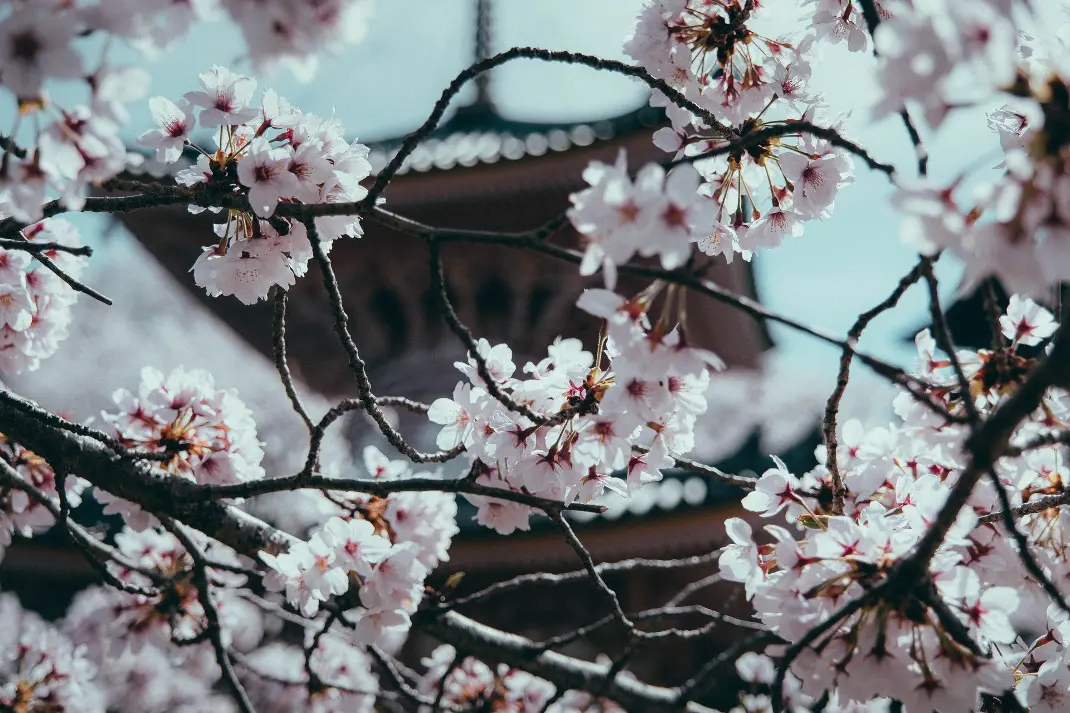
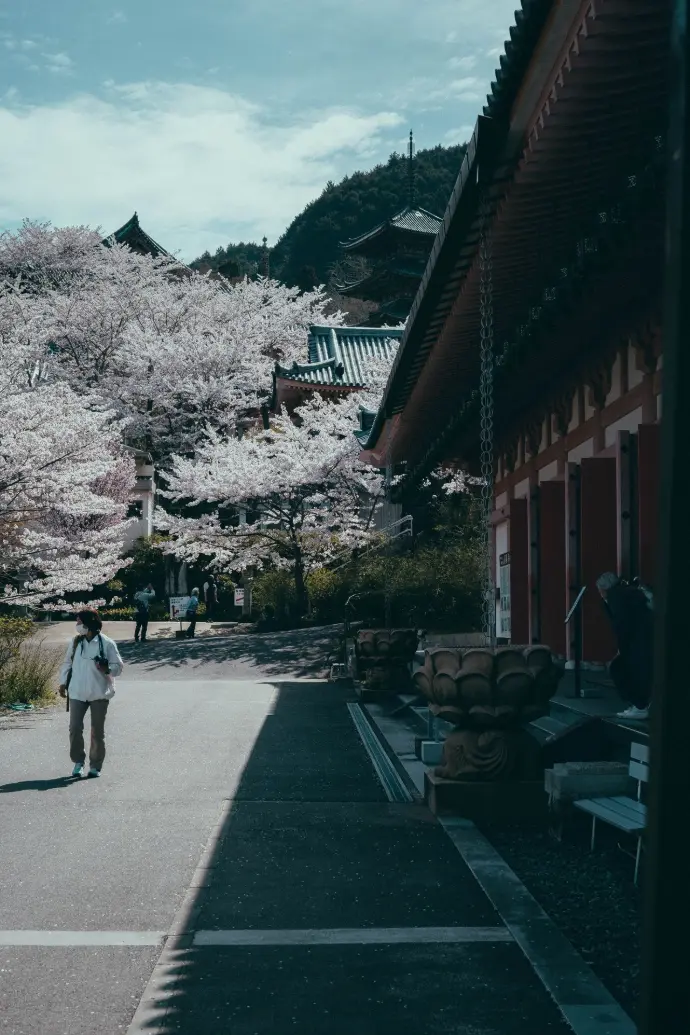
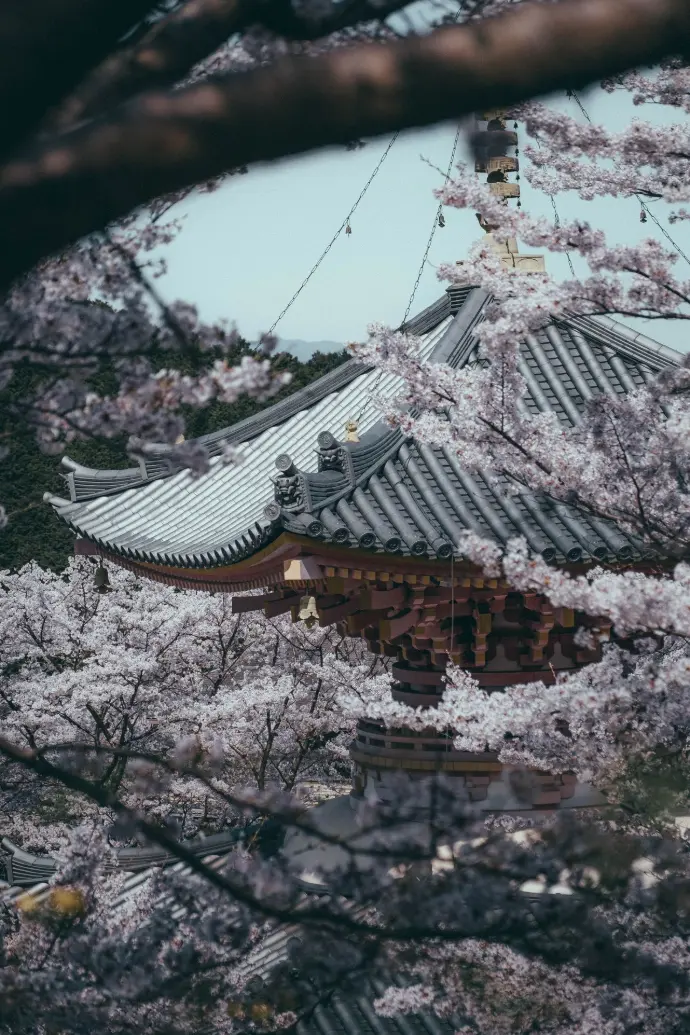
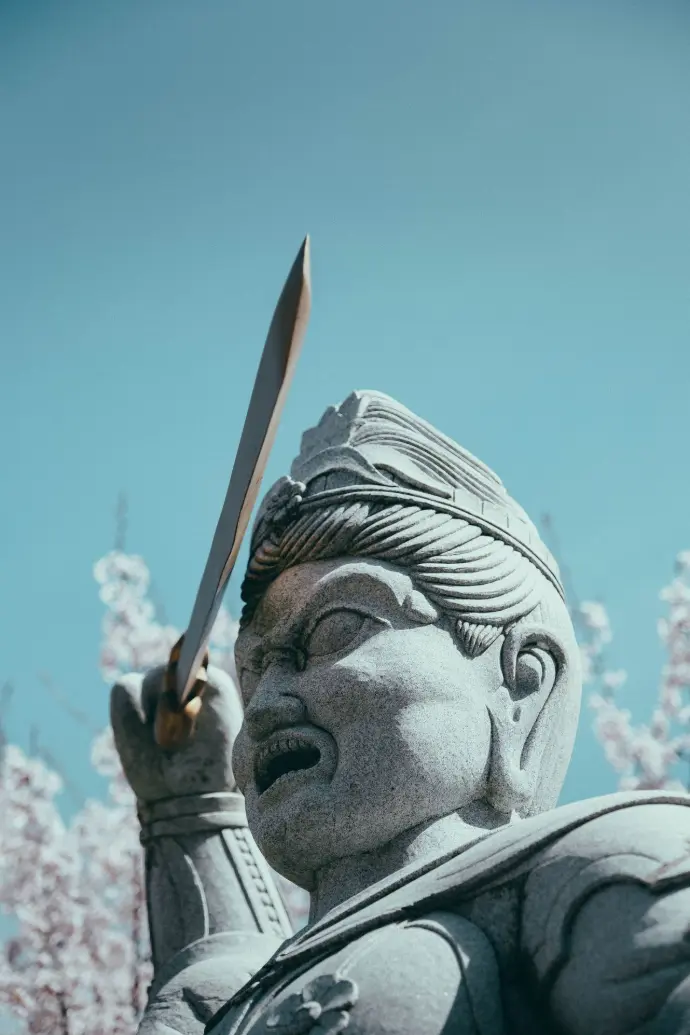
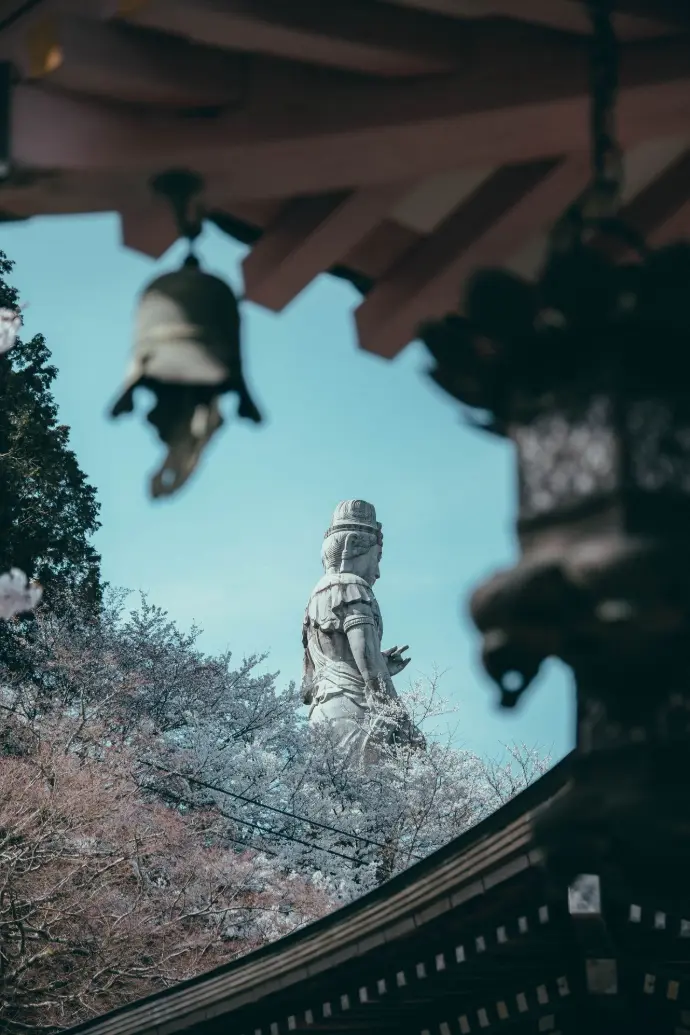
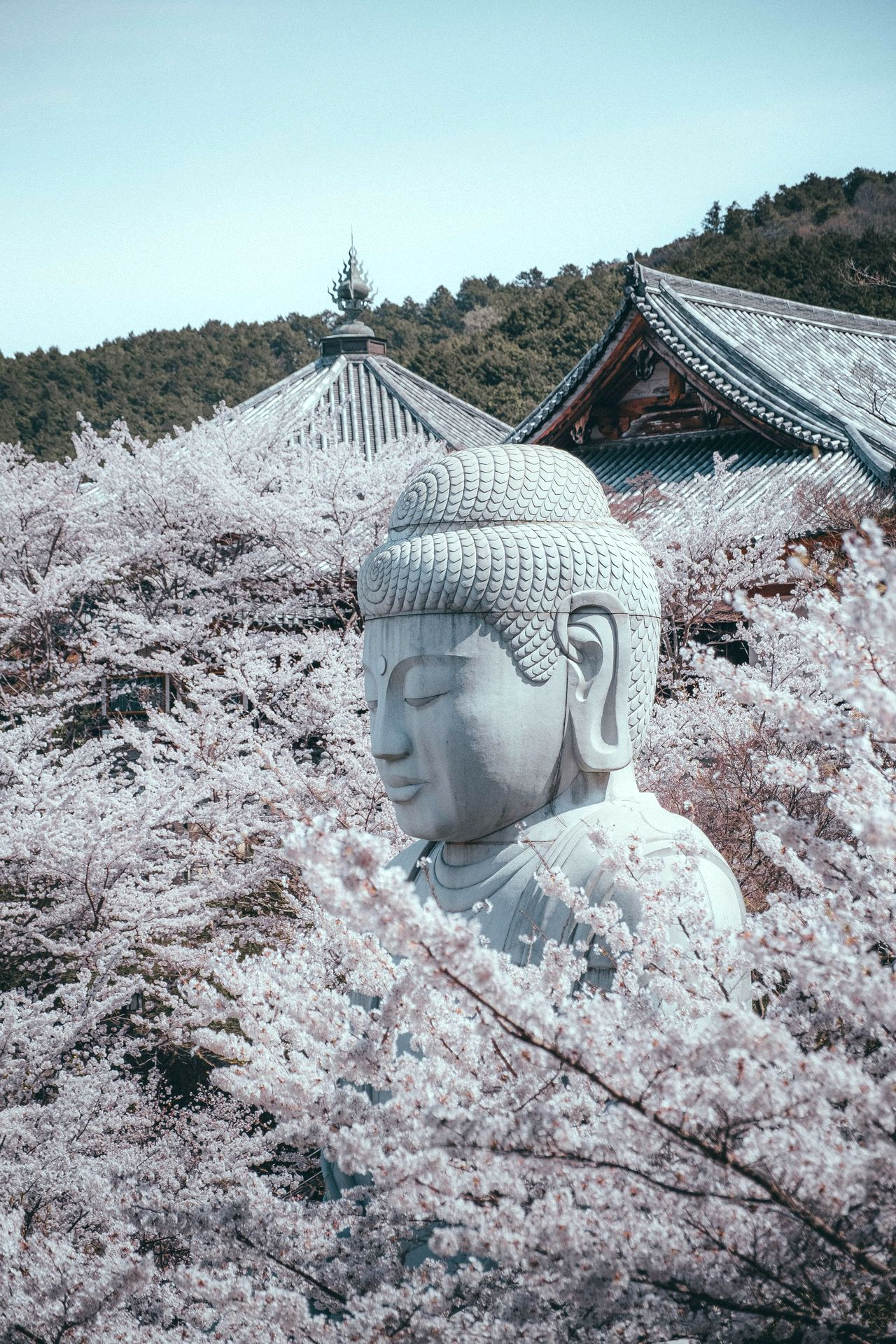
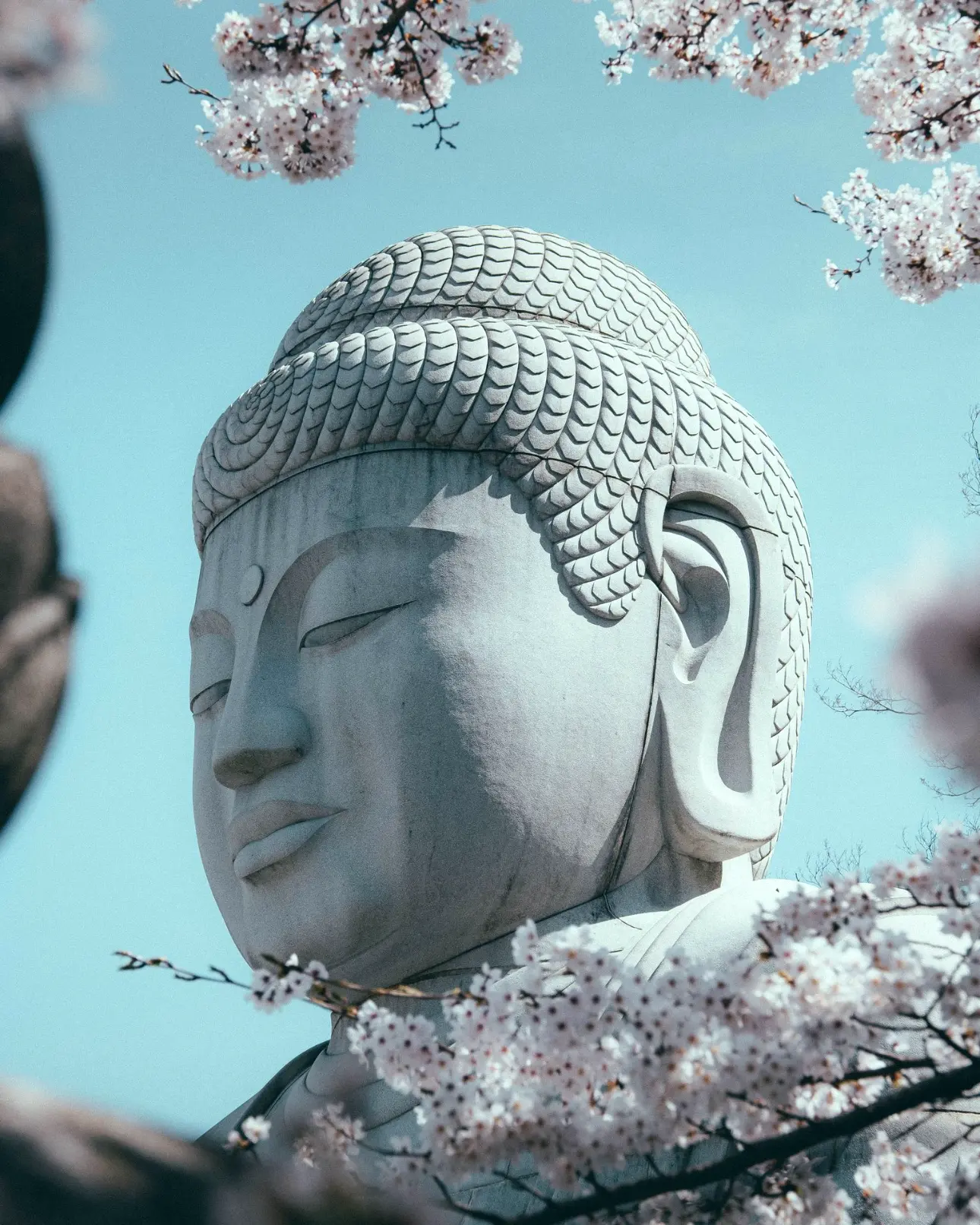
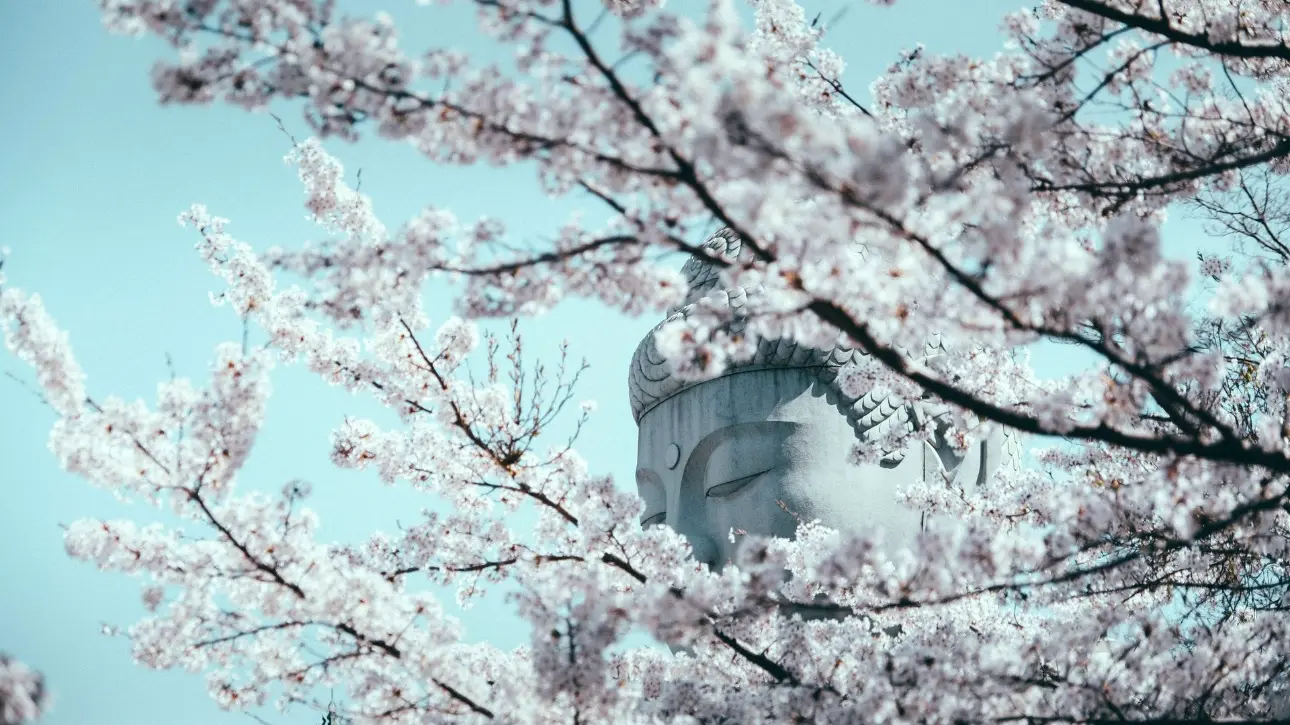
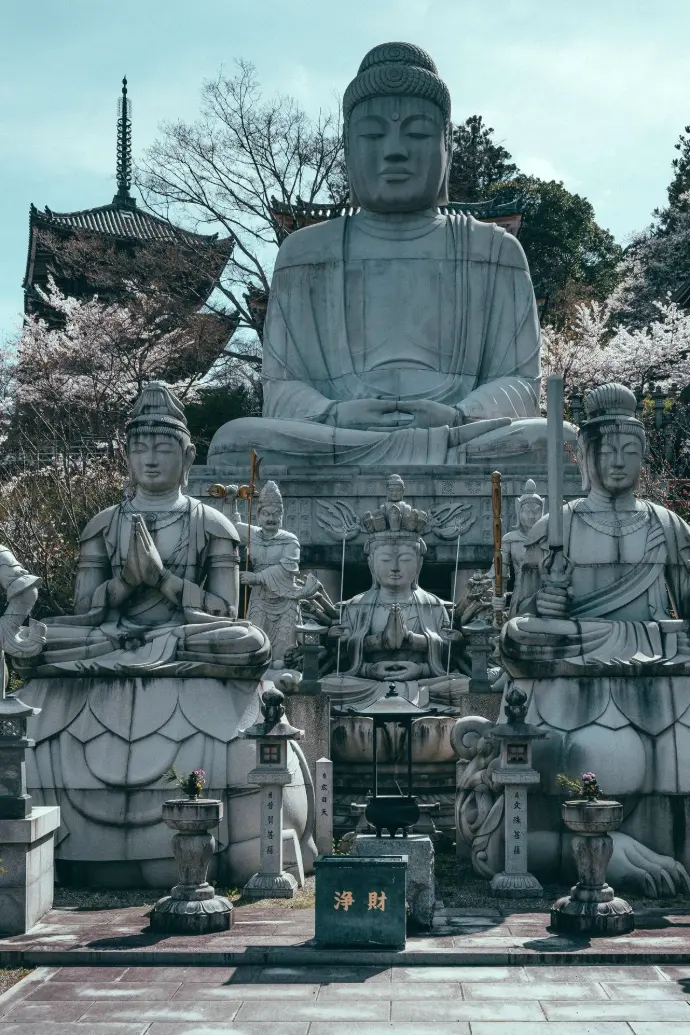
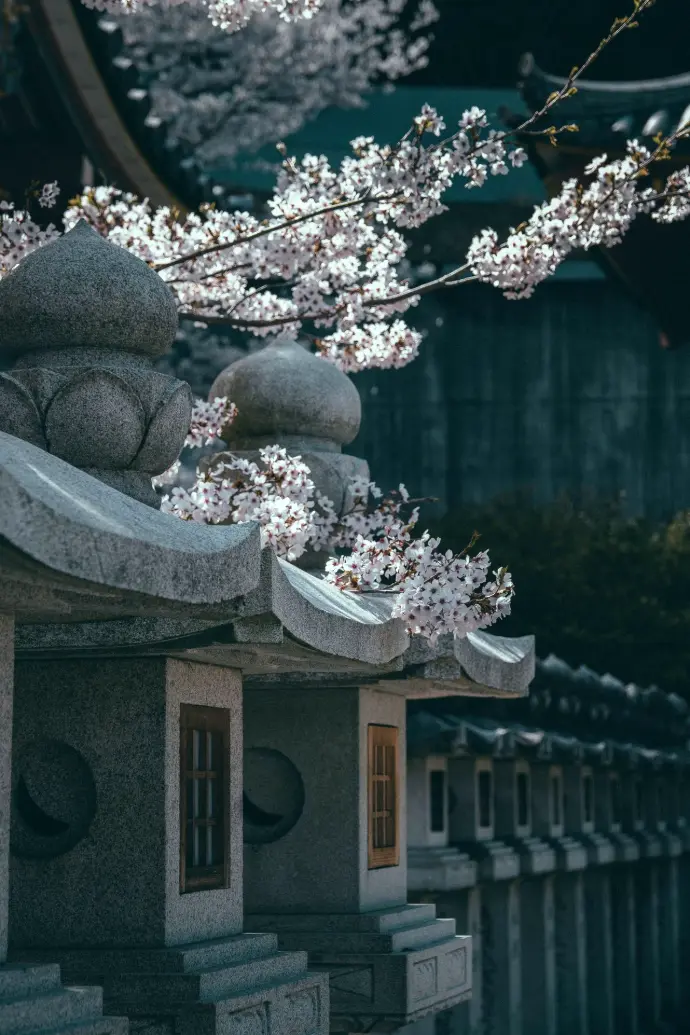
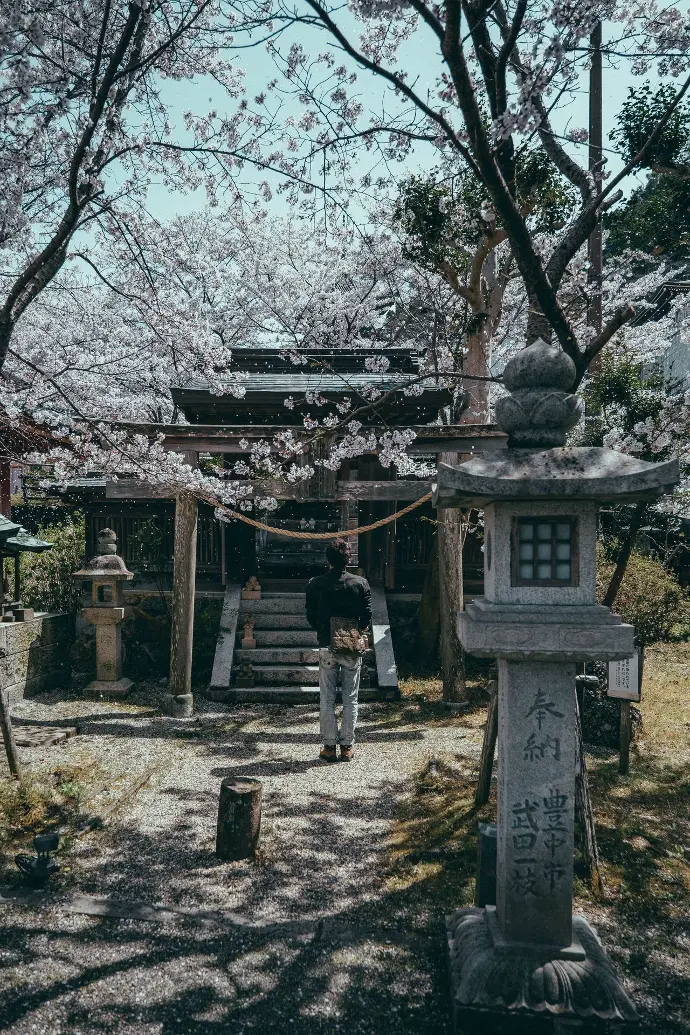
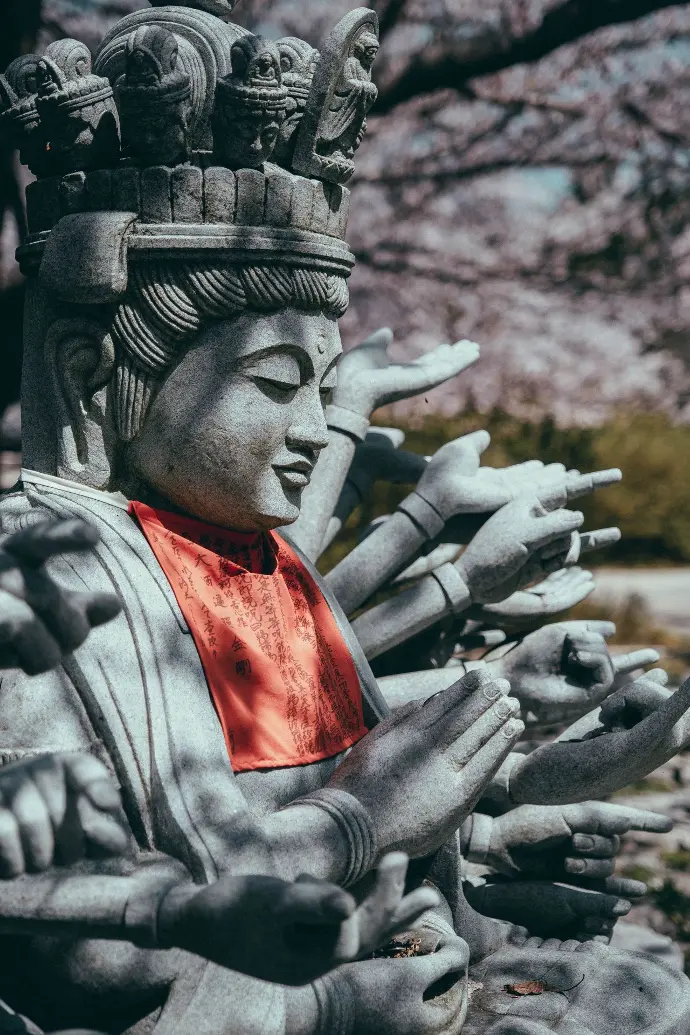
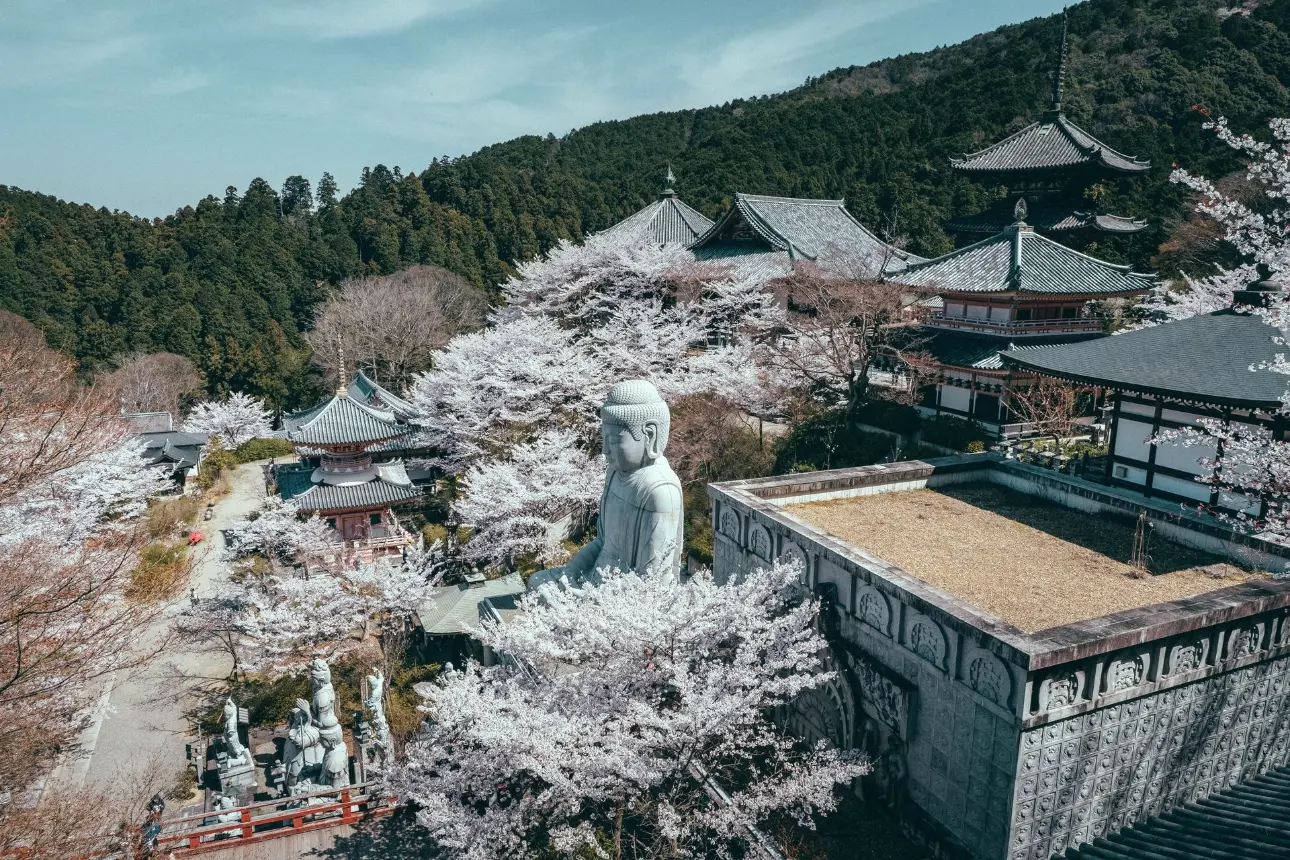
First stop, Tsubosaka-dera. Pretty famous during the cherry blossom season for its pink pagoda and its impressive Buddha statue surrounded by cherry trees. Some artifacts and statues come directly from India. They were given in exchange for humanitarian help from Japan during the 60's. The view of the Buddha statue is especially impressive from a small platform on the side. It's surrounded by so many cherry trees that it looks like he is bathing in their bloom. The temple may be small, but it has so many fascinating things to explore inside and outside as well. And it's just absolutely stunning during this season !
Access
Tsubosaka-dera - 壺阪山
Takatori,Takaichi District 635-0102 Nara,Japan
Tsubosakayama Station( Kintestsu Yoshino Line/Kintetsu Limited-Express) + Bus N°20 to Tsubosakaderamae Bus Stop
¥800 (Adults)
2 - HASE-DERA
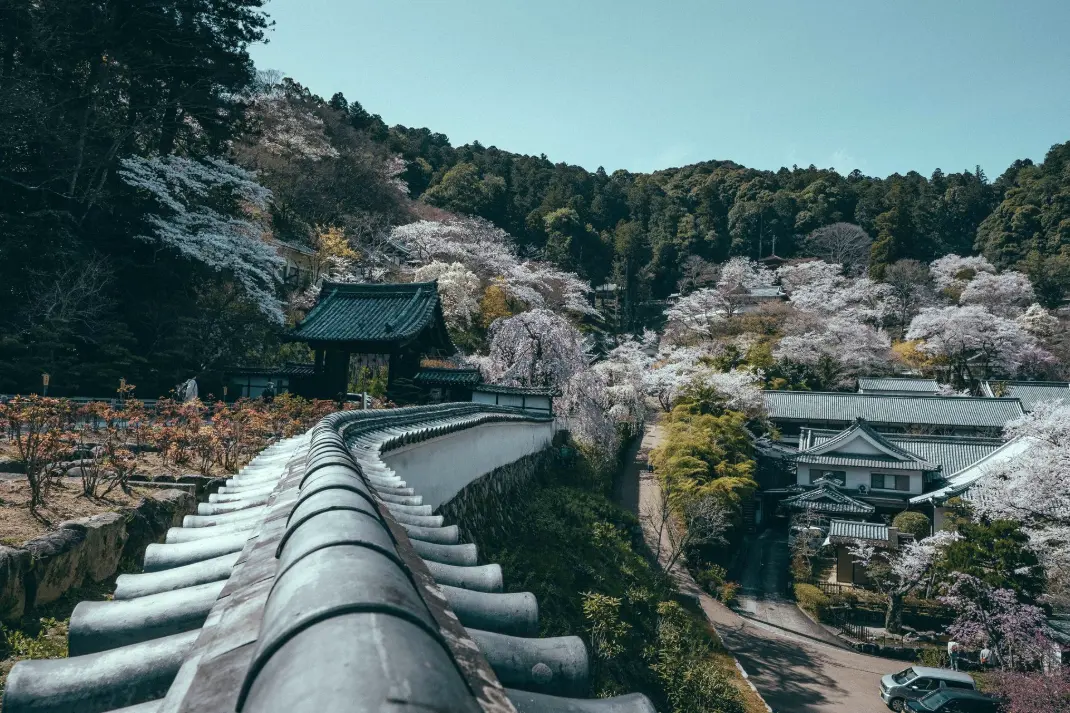
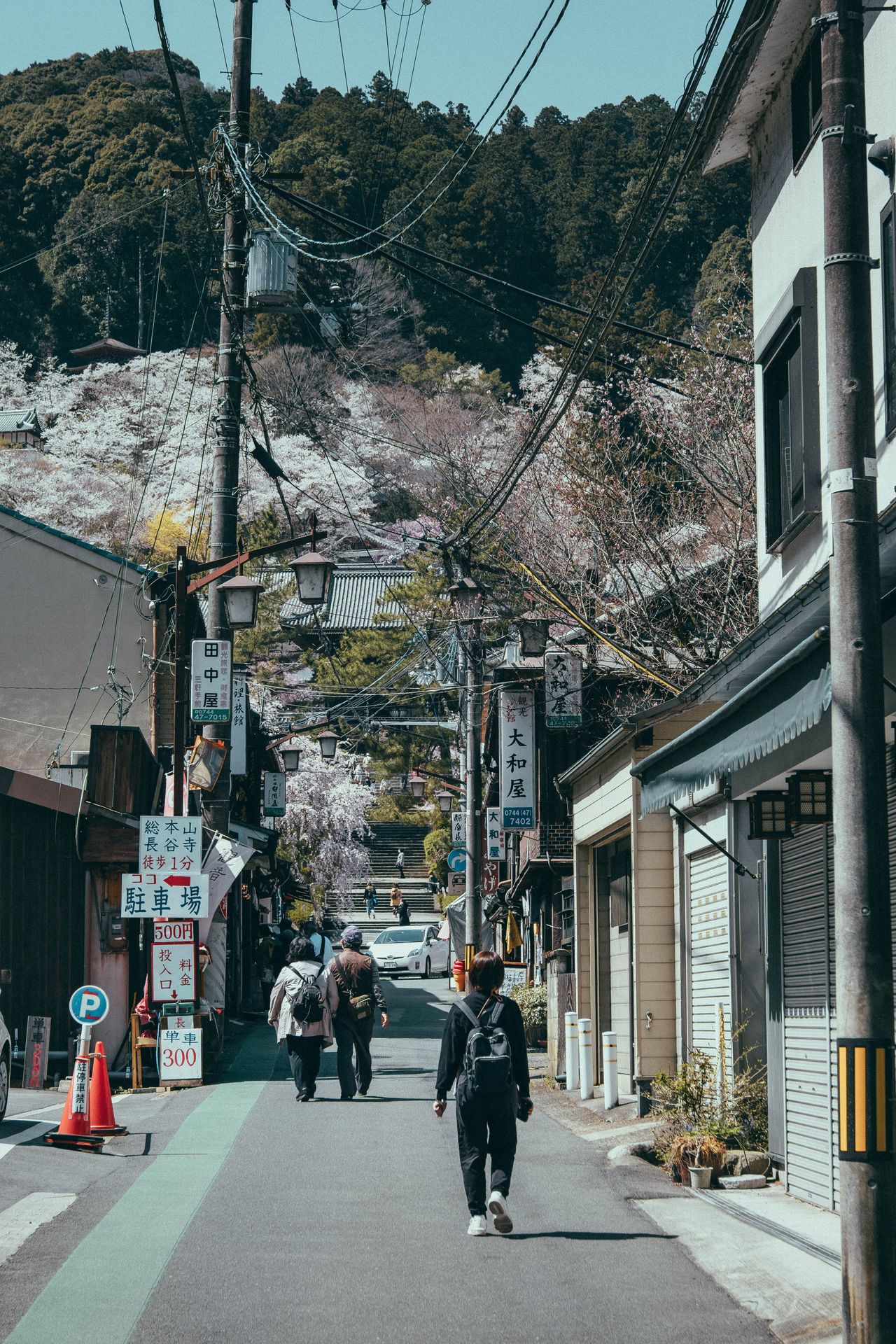
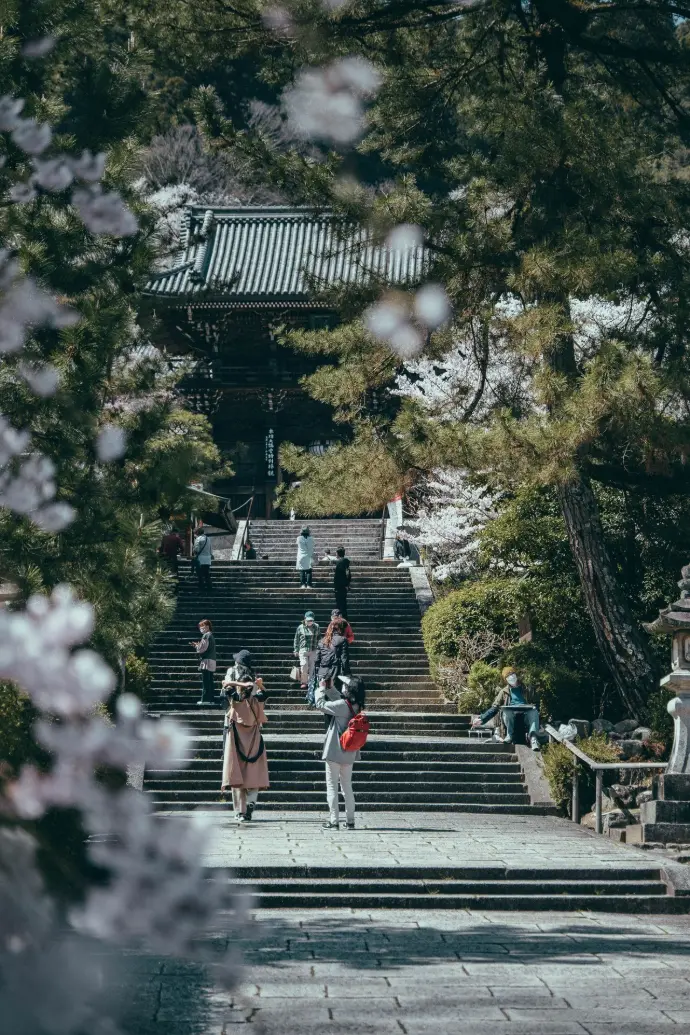
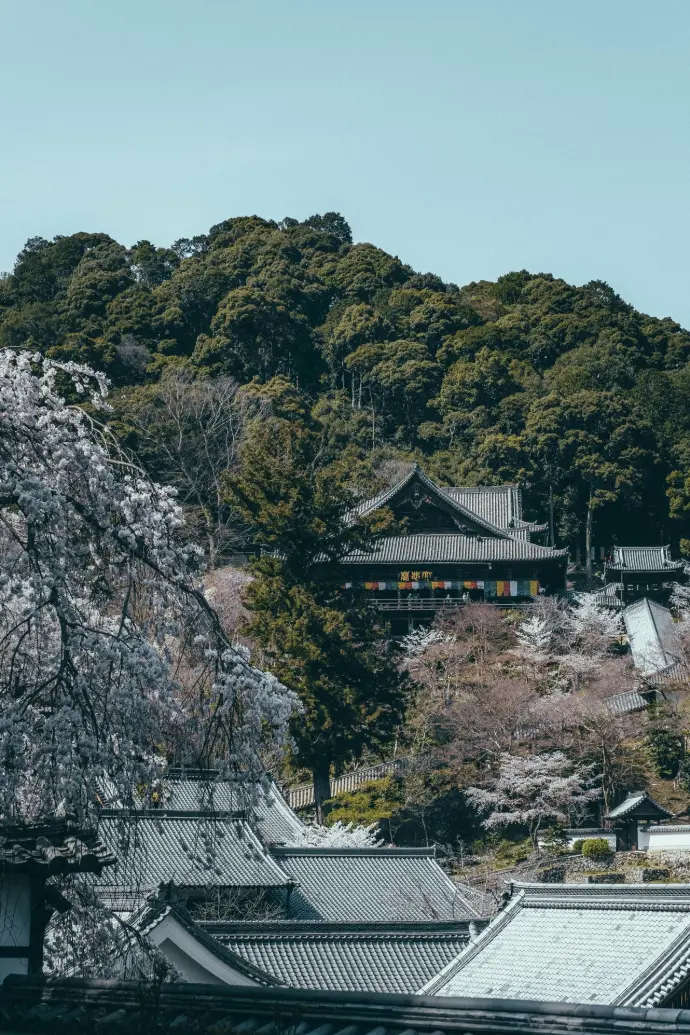
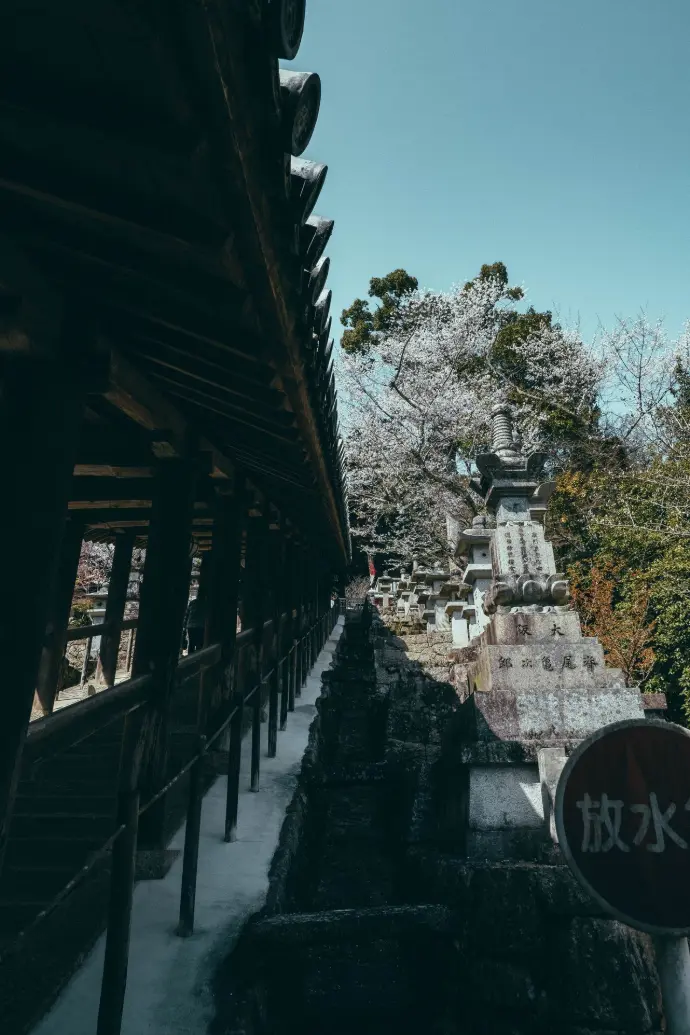
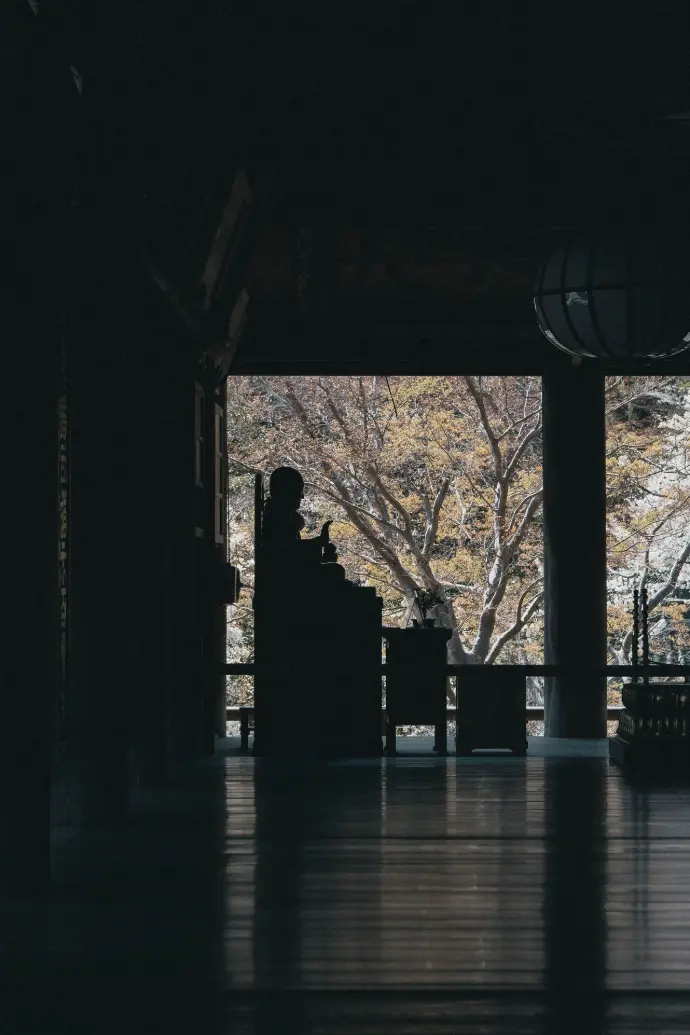
A bit further in Sakurai city, Hase-dera is another must-see temple in the area. It features beautiful architectural details and hosts numerous seasonal events centered around flowers, making it a worthwhile visit at any time of year. The temple is especially stunning during the cherry blossom season when blossoms can be found throughout the temple complex and its surroundings. It was founded in 686, a short time after Buddhism was introduced to Japan. It has been rebuilt, extended and renovated several times since then, resulting in a large complex nowadays. It's now the main temple of the Buzan-ha school of Shingon Buddhism. You can also find a 9 meters high statue of Kannon as it is the main deity enshrined there.
Access
Hase-dera - 長谷寺
731-1 Hase, Sakurai, Nara 633-0112, Japan
Hase Station ( Kintestsu Osaka Line)
¥500 (Adults)
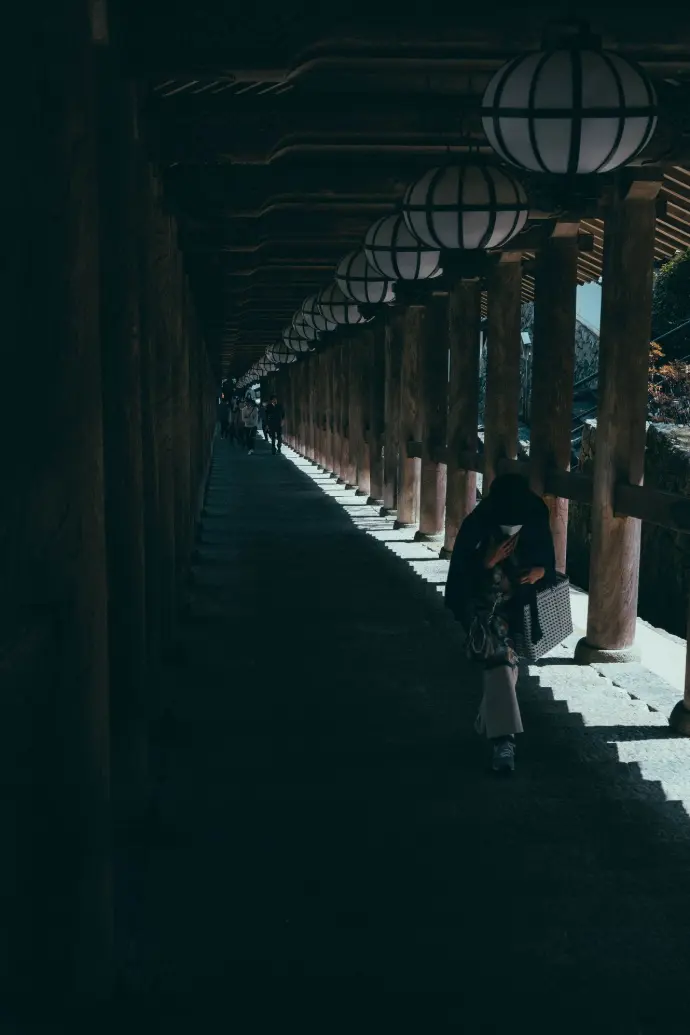
3 - TANZAN-JINJA
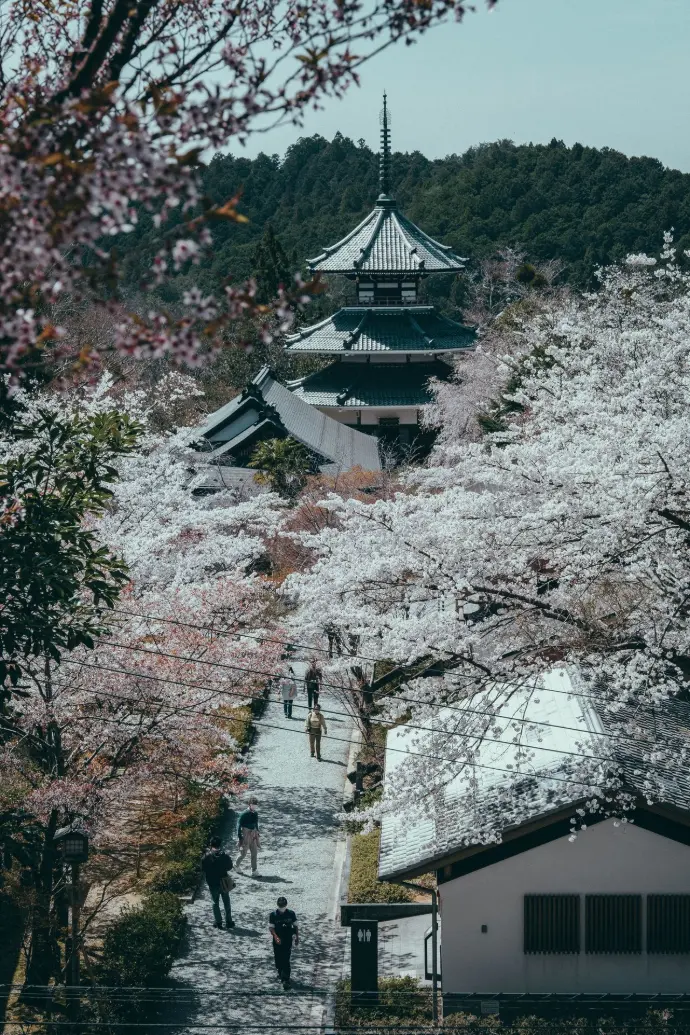
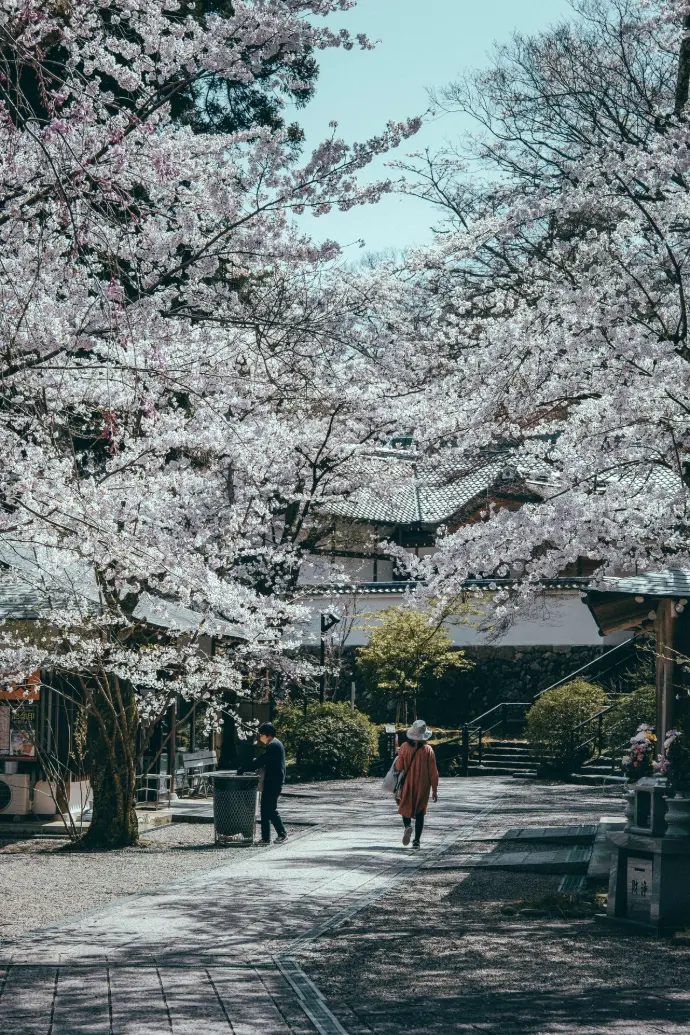
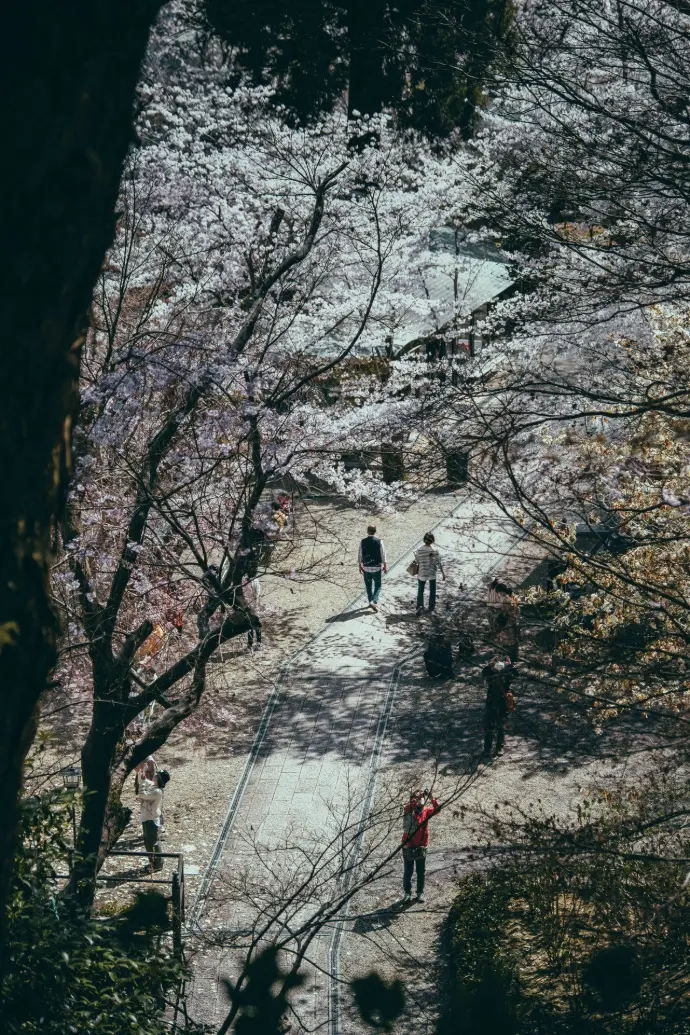
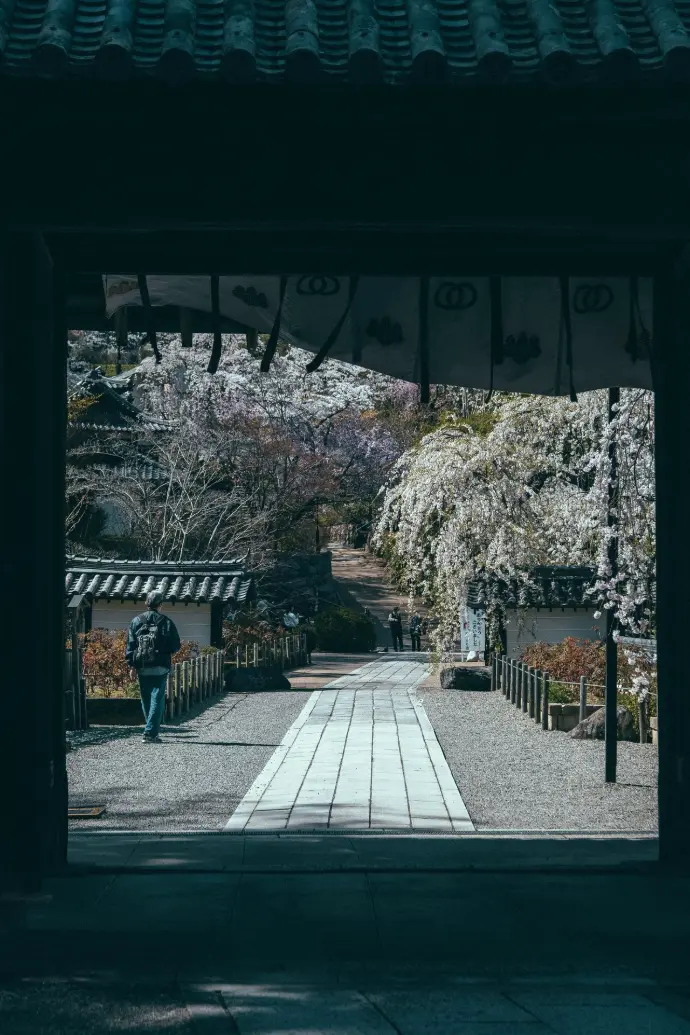
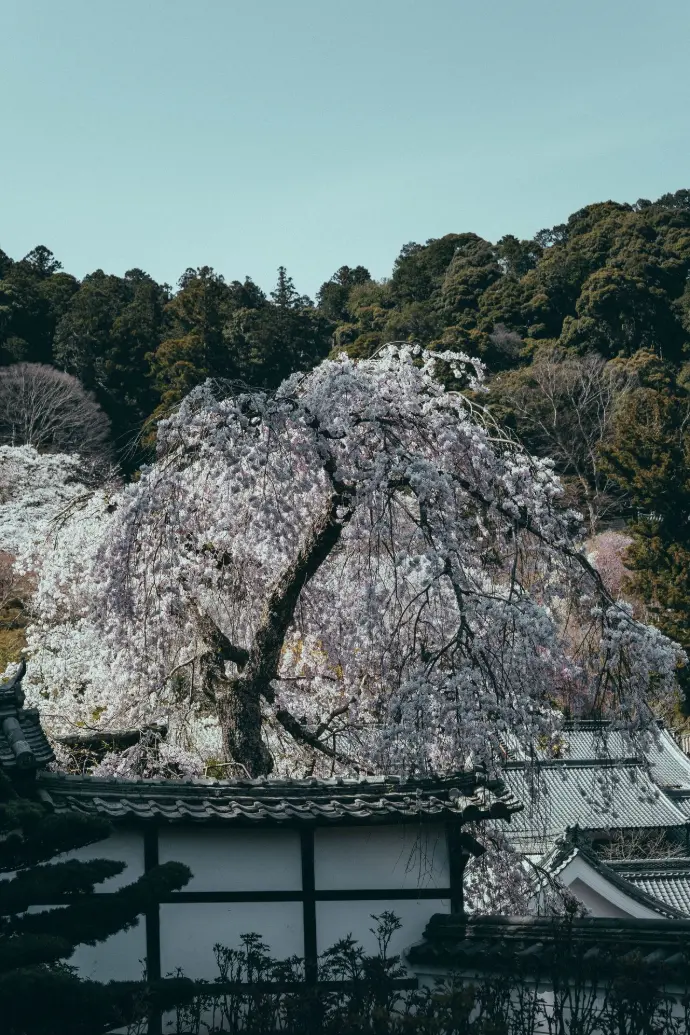
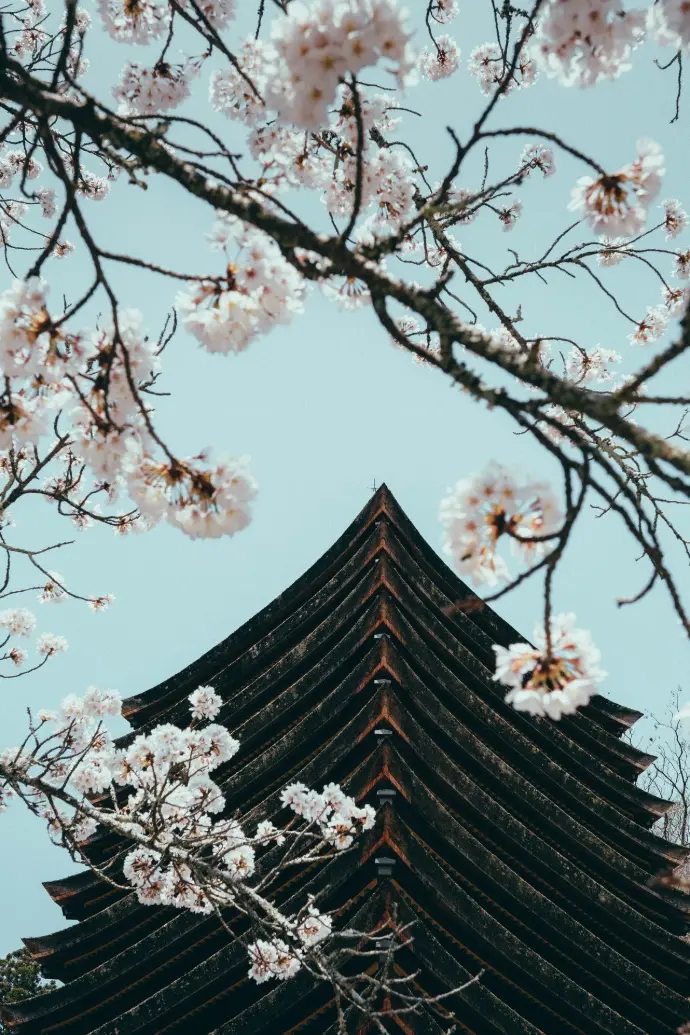
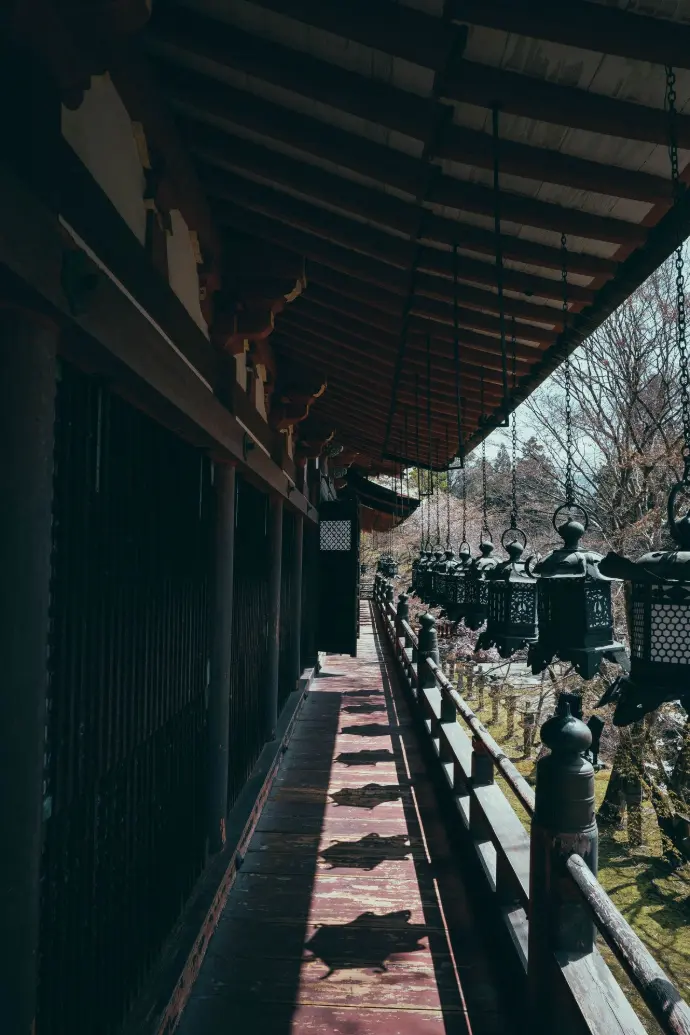
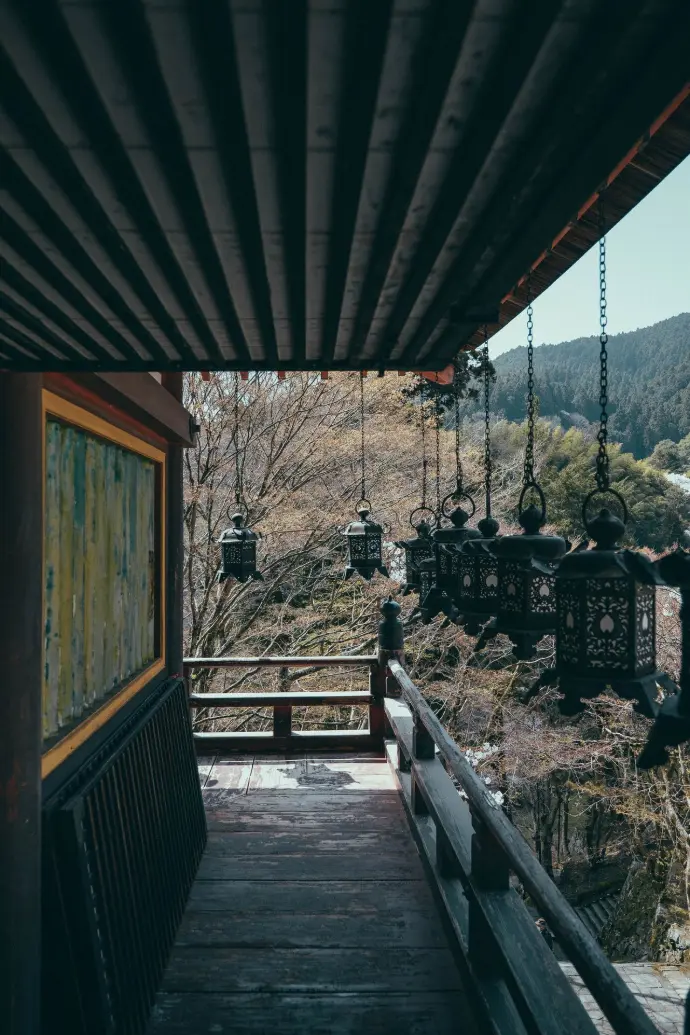
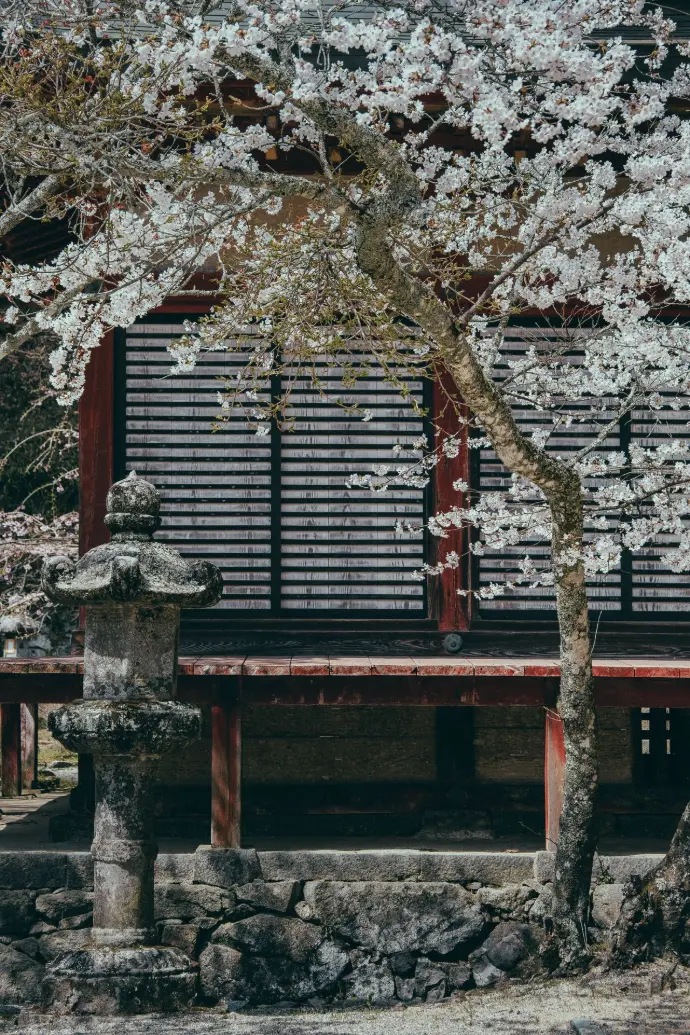
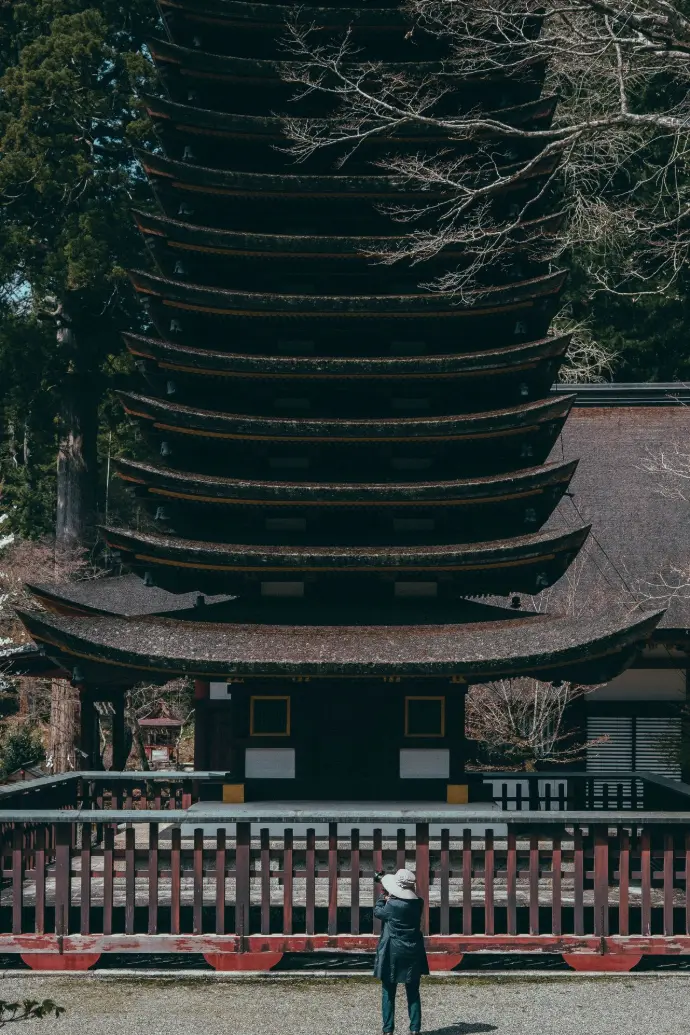
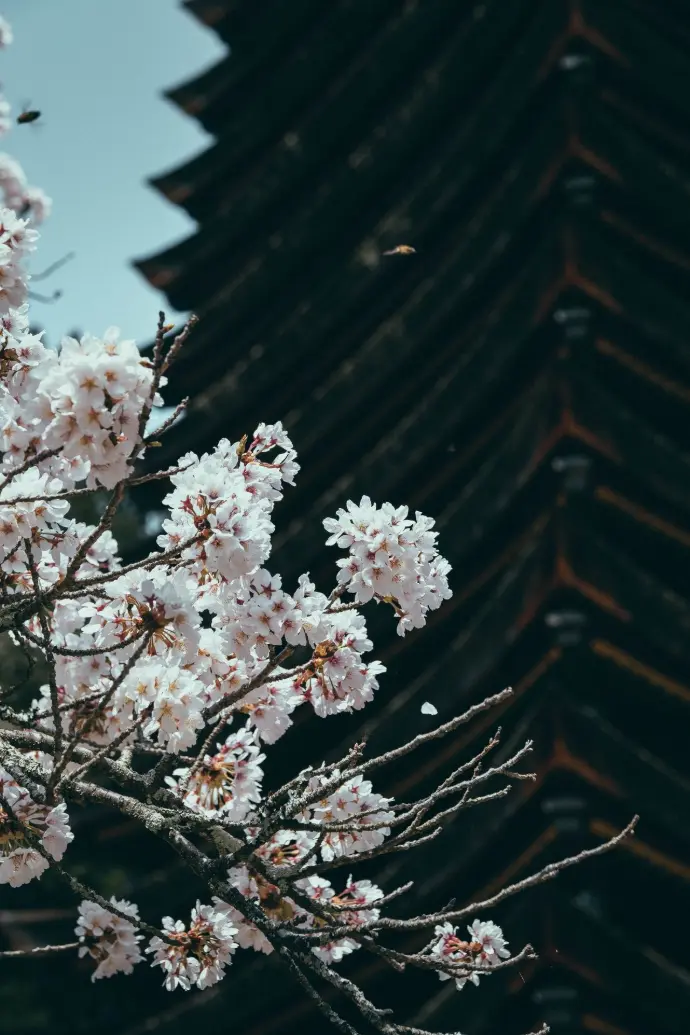
Tanzan-jinja is a lesser known and also a a very serene place for admiring cherry blossoms (or the autumn foliage), in addition to some interesting features, such as its unique 13-story pagoda, the only one of its kind in Japan.
Although it is now recognized as a Shinto shrine, it wasn't always that way. It was originally founded as a Buddhist temple in 678 known as Tonomine Miyoraku-ji. This transformation is an example of what happened to some temples following the Shinbutsu Bunri, the separation of shrines and temples mandated after the Meiji Restoration in 1868.
Tanzan-jinja is a lesser known and also a a very serene place for admiring cherry blossoms (or the autumn foliage), in addition to some interesting features, such as its unique 13-story pagoda, the only one of its kind in Japan.
Although it is now recognized as a Shinto shrine, it wasn't always that way. It was originally founded as a Buddhist temple in 678 known as Tonomine Miyoraku-ji. This transformation is an example of what happened to some temples following the Shinbutsu Bunri, the separation of shrines and temples mandated after the Meiji Restoration in 1868.
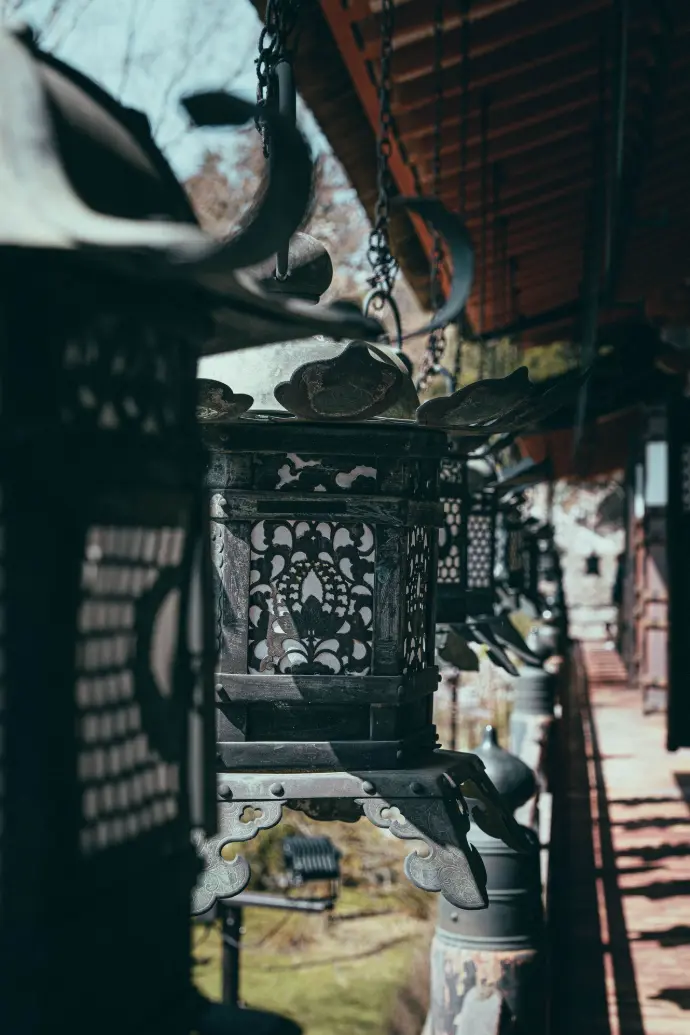
Before this separation, Buddhism and Shintoism were not as distinct as they are today, both religions often shared the same facilities. Today, we can still find remnants of this era where some temples also host small shinto shrines. After this separation, some temples were also demolished, but fortunately this one was preserved and used as it is. Some elements rebuilt during the 15th and 16th centuries are now considered Important Cultural Properties.
Access
Tanzan-jinja - 談山神社
319 Tonomine, Sakurai, Nara 633-0032, Japan
Sakurai Station ( Kintetsu Osaka Line/Man-yo Mahoroba Line) + Bus 桜井市[多武峯]to Tanzan-jinja Bus Stop
¥600 (Adults)

4 - MATABEI ZAKURA
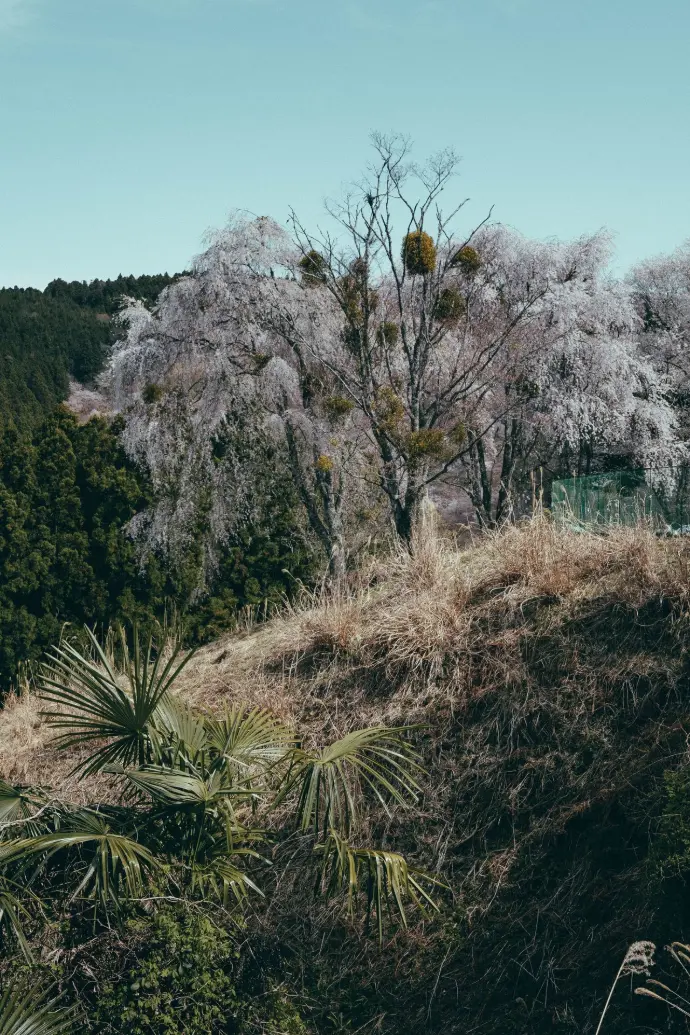
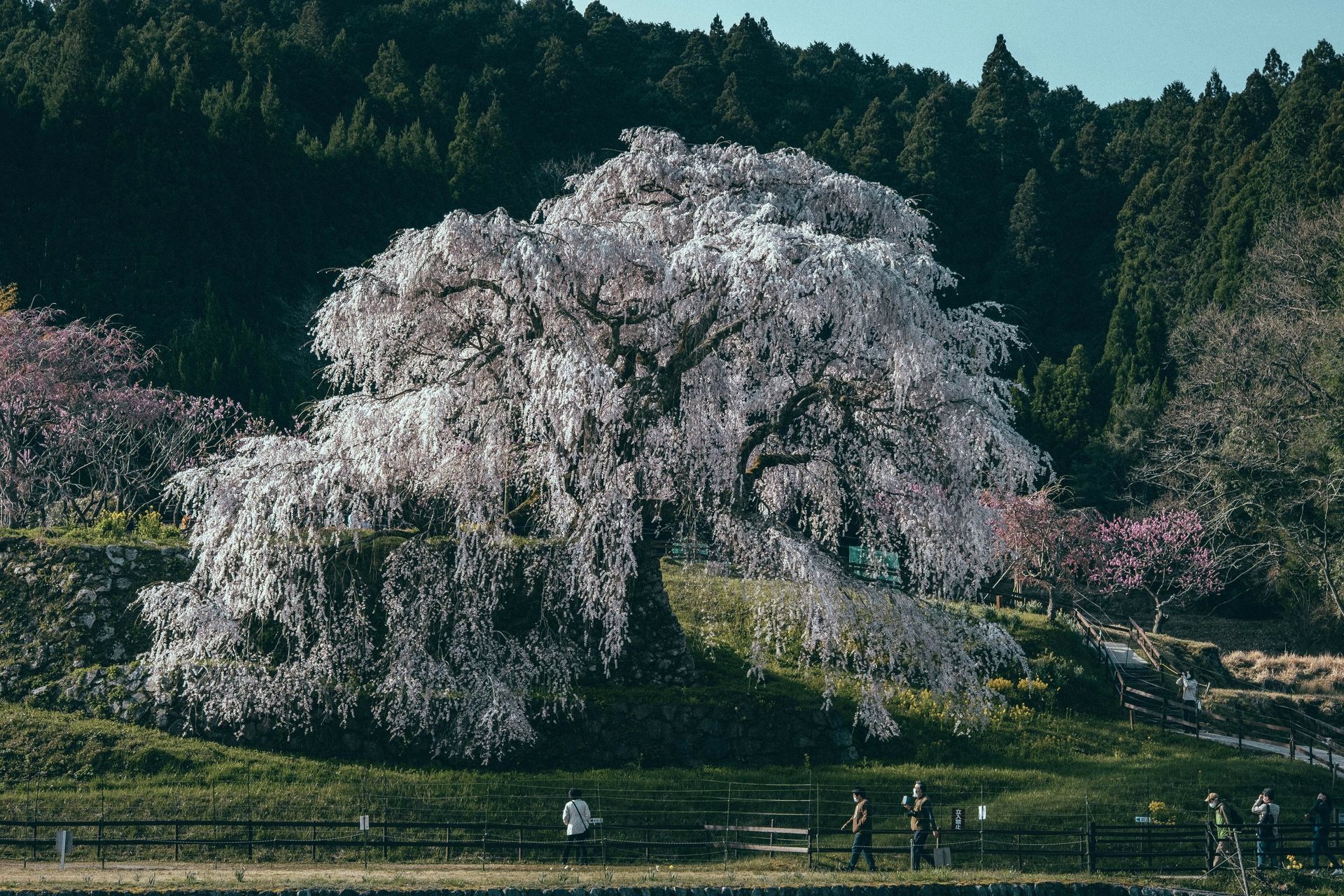
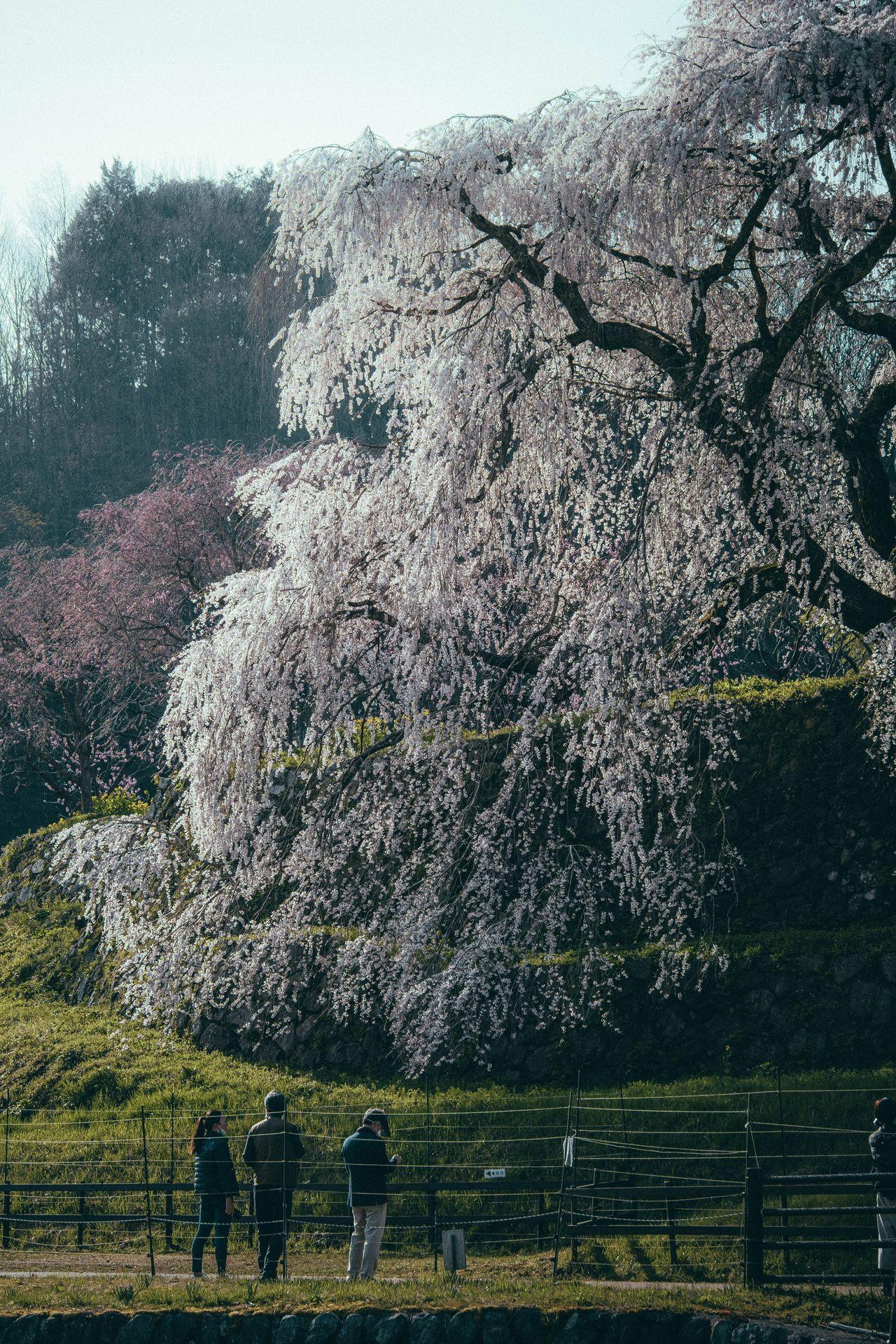
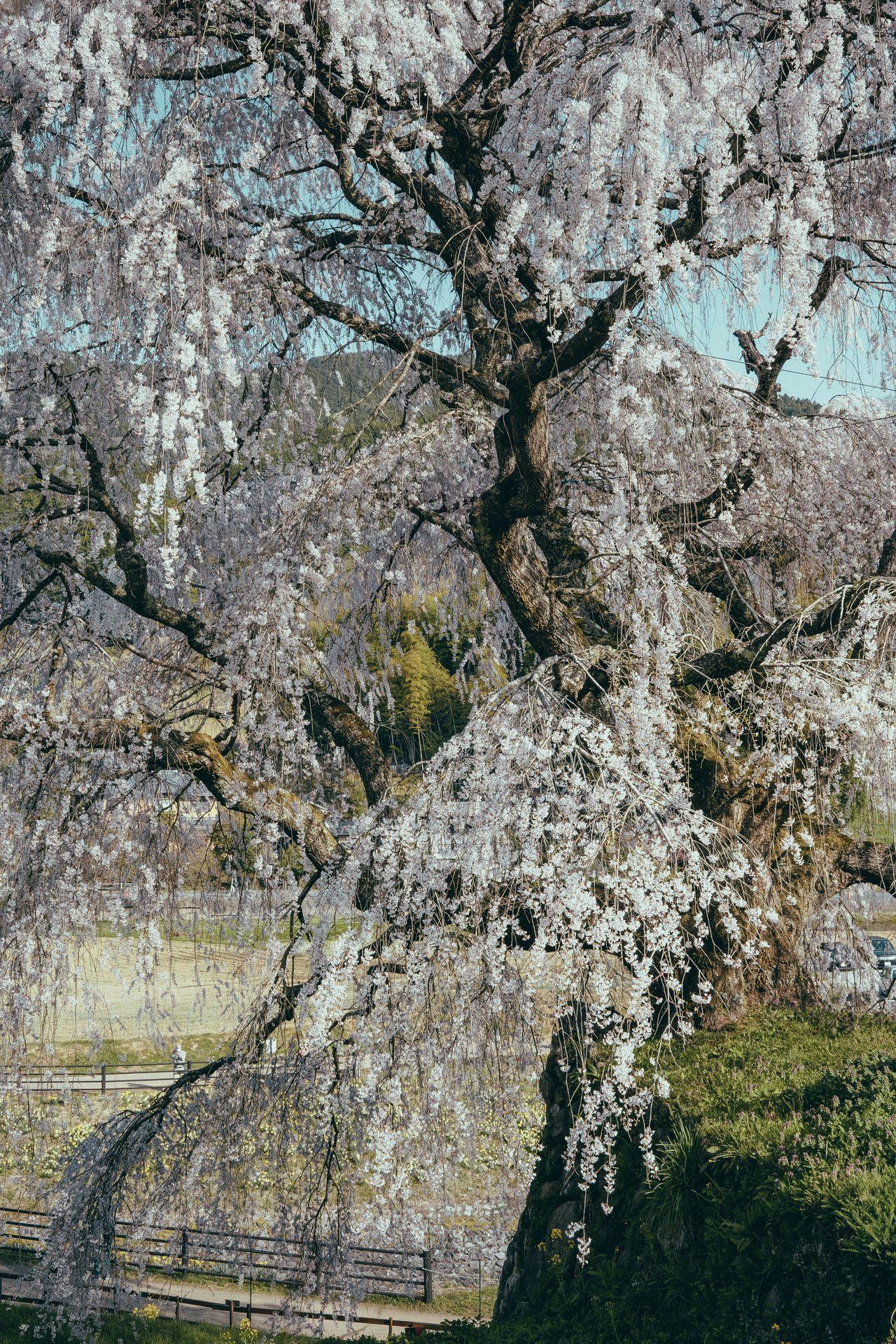
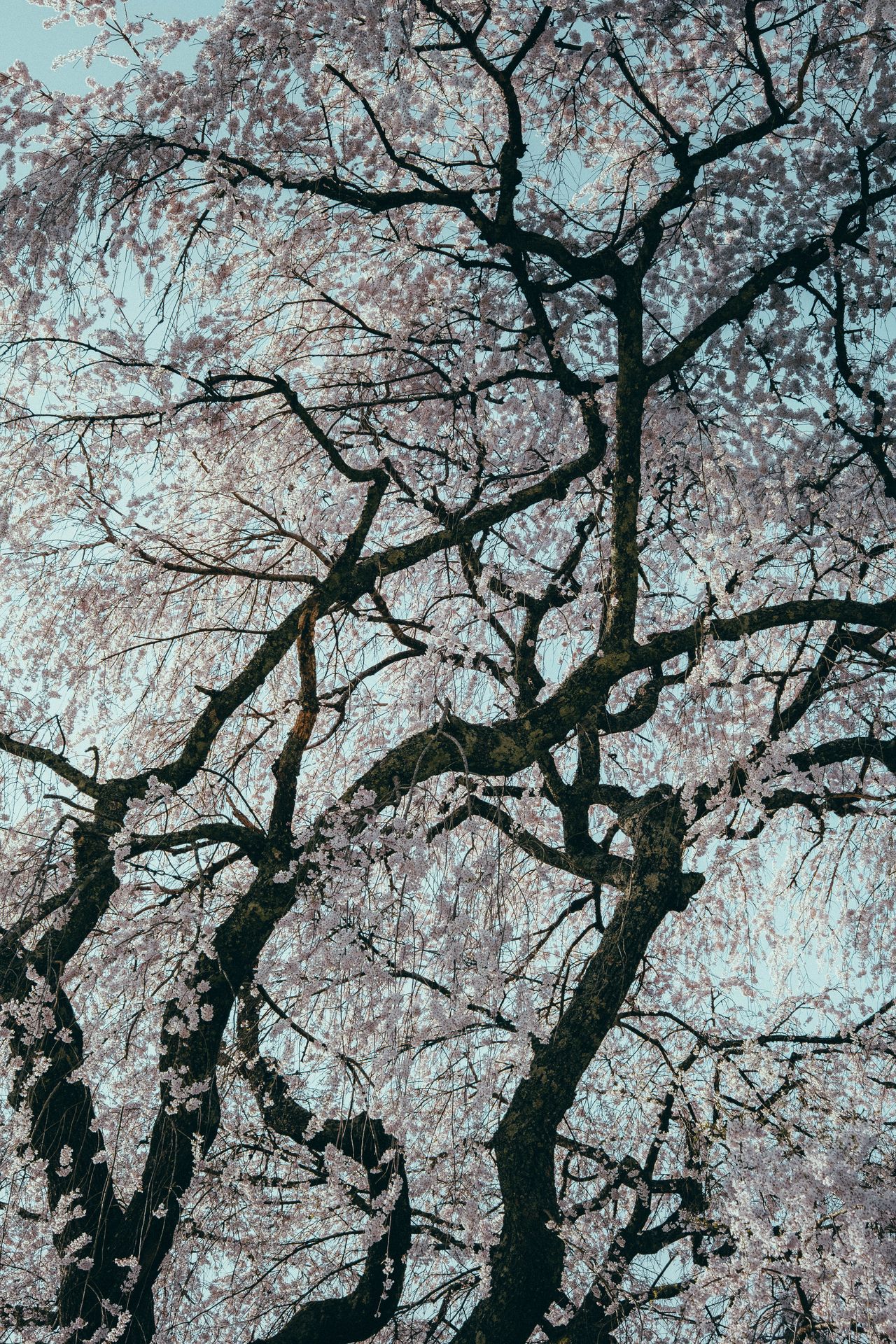
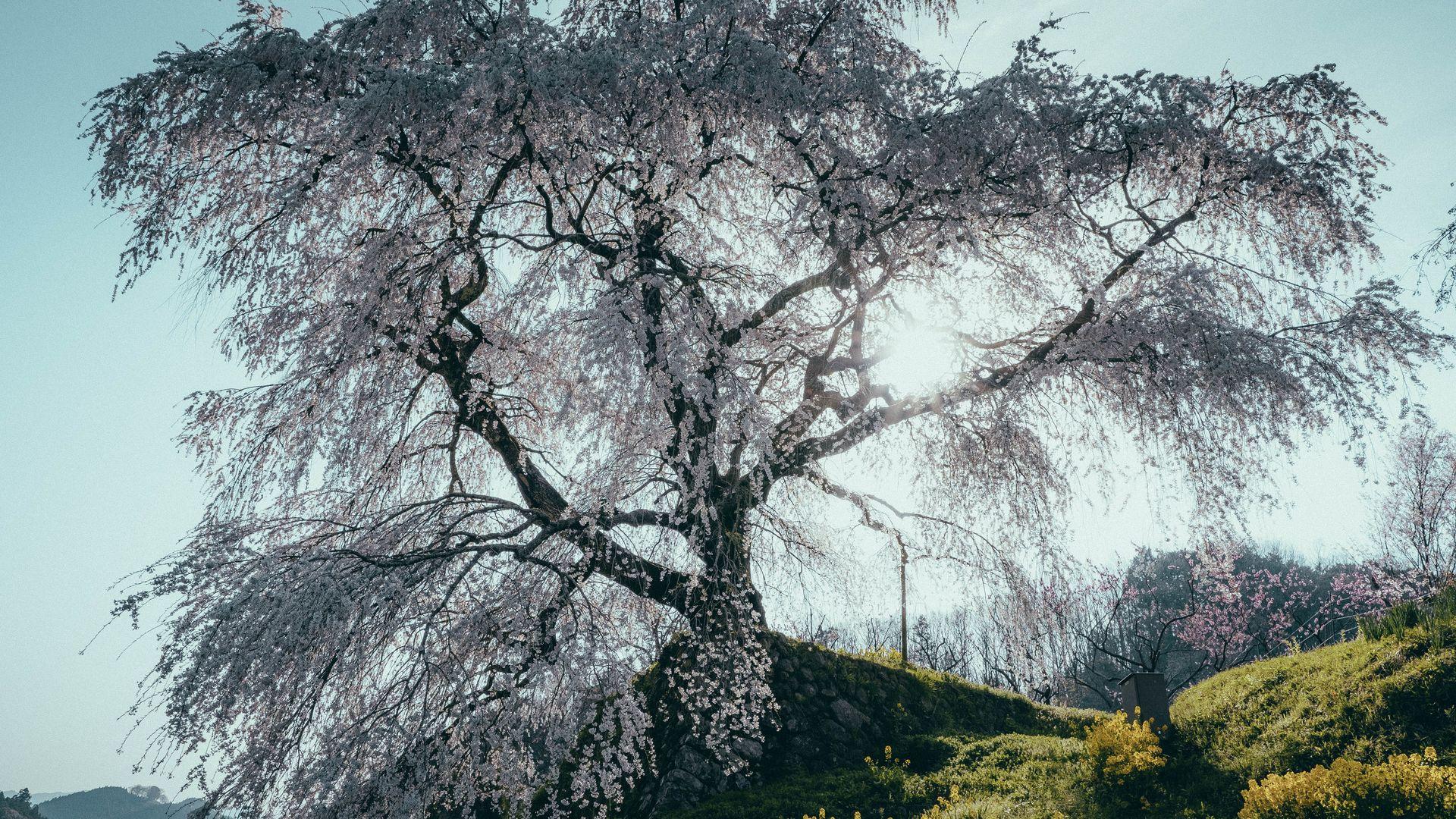
Japan is home to many stunning cherry blossom spots, often featuring just one massive, ancient cherry tree. One of the most beautiful examples is the Matabei zakura, an impressive weeping cherry tree located in Uda City known to be over 300 years old. According to local legend, Gotō Matabei, a retired warlord from the Sengoku period, came to this area to become a monk and established his home on this site. The cherry tree that has been preserved since then is now called by locals Matabei Zakura.
With a 3 meter diameter trunk and 13 meters, its blooms are especially impressive! During the peak blooming season, the area can become quite lively and you'll find many photographers lining up their tripods in front of it. I recommend visiting early in the morning for a quieter time but there are usually no big crowds to expect. During the blooming season, the site attracts around 50,000 to 60,000 visitors but most of them won't stay a long time.
There are others impressive and unique cherry trees in Nara prefecture. Another notable example is the Sennen zakura, the oldest one in Nara prefecture, believed to be 900 years old located in a temple called Butsuryu-ji. However they don't all bloom at the same moment depending on the location and the cherry tree species. For instance, the Sennen zakura typically blooms about one or two weeks later than the Matabei zakura.
Access
Matabei-zakura - 又兵衛桜
348 Oudahongo, Uda, Nara 633-2156, Japan
Haibara Station ( Kintestsu Osaka Line/Kintetsu Limited-Express) + Bus N° 1 ou 2 [大宇陀]to Oudahasama Bus Stop + 20min de marche
¥100
5 - UDA
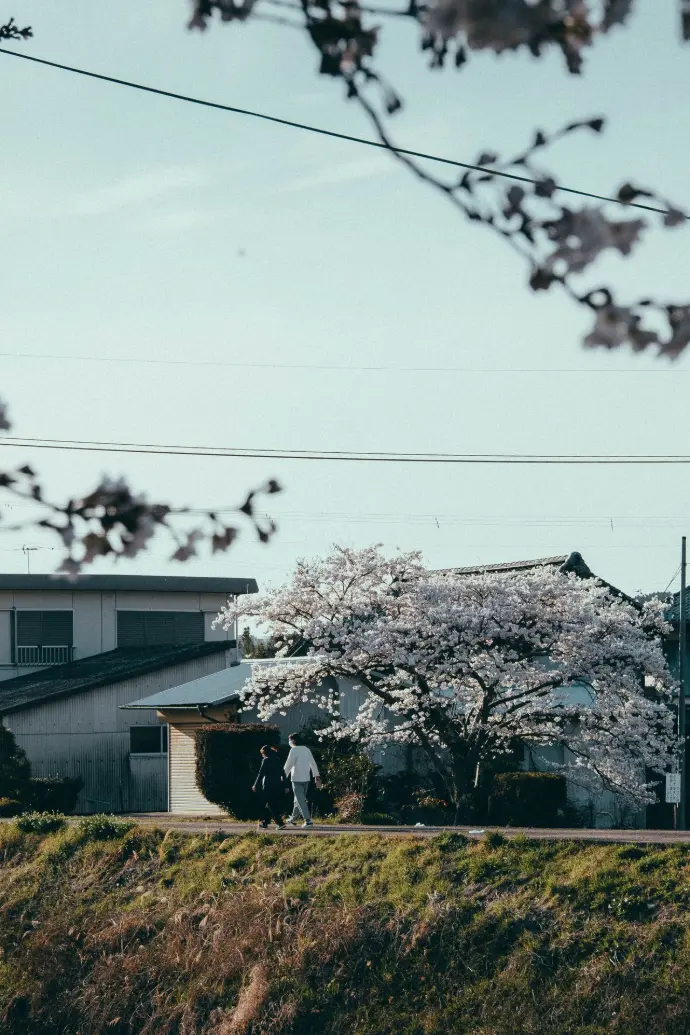
Uda est une charmante ville composée de plusieurs bourgs dont Haibara, Ouda, Utano et Muro, toute proche des autre sites mentionnés ici. Cette ville comme d'autre aux alentours a une longue histoire remontant à l'époque Nara (710 - 794) et a toujours dans son centre et ses hameaux alentours beaucoup d'anciennes maisons préservées de fermiers et de marchand. J'aimerais beaucoup en faire un article plus détaillé une prochaine fois sur cette ville et cette région car j'ai vraiment eu un coup de foudre pour celle-ci !
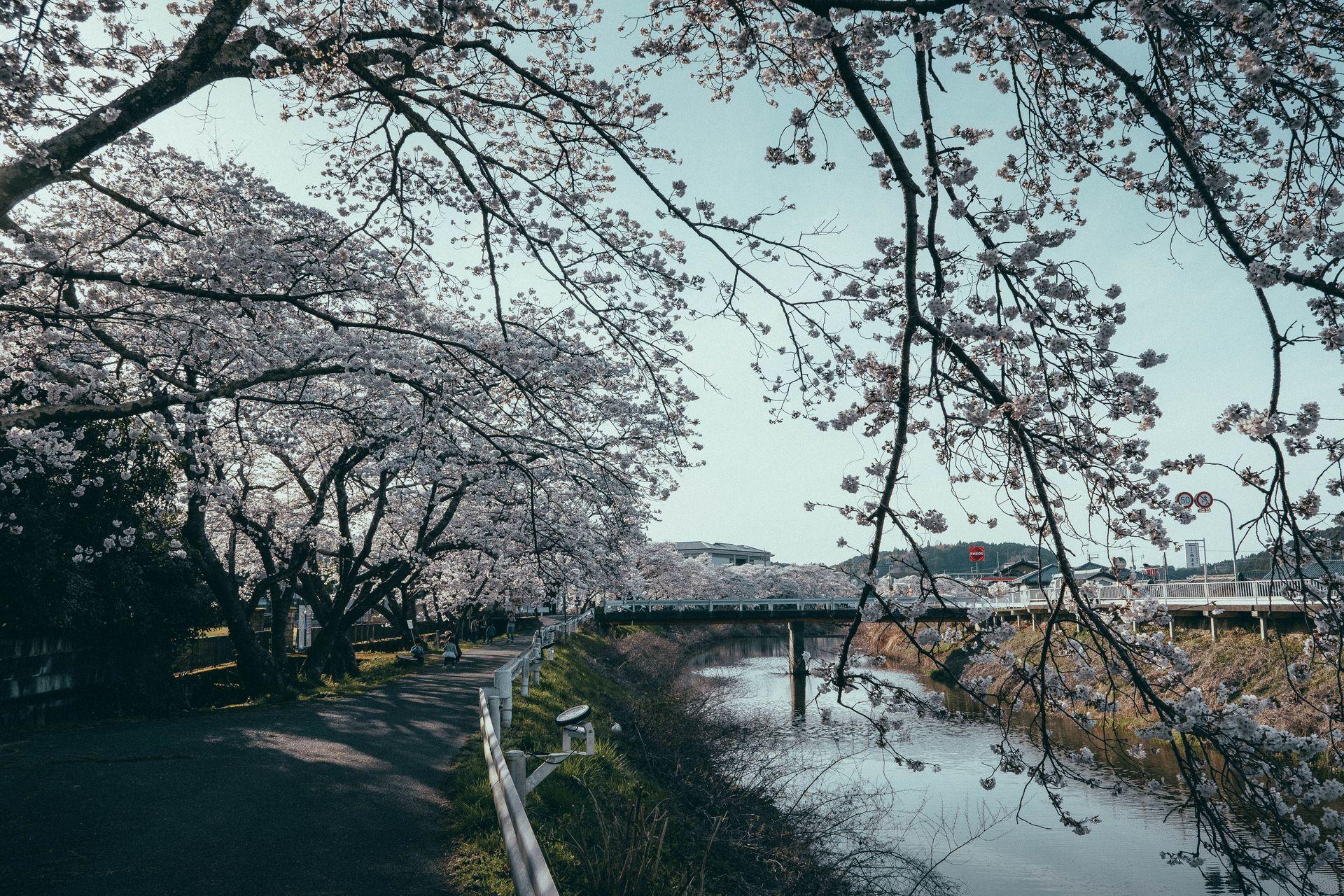
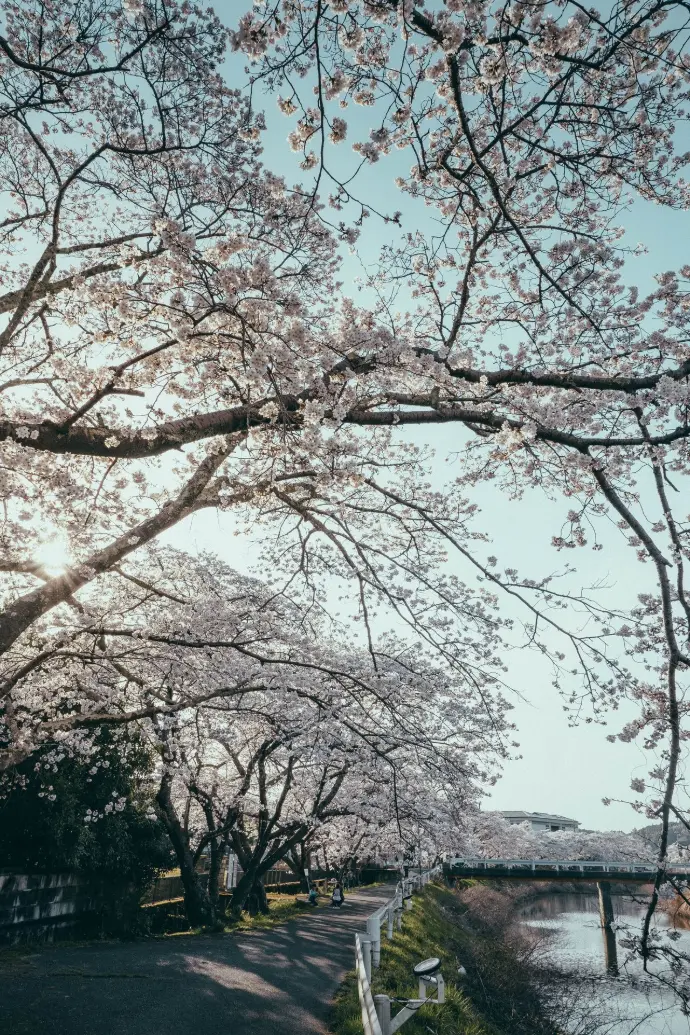
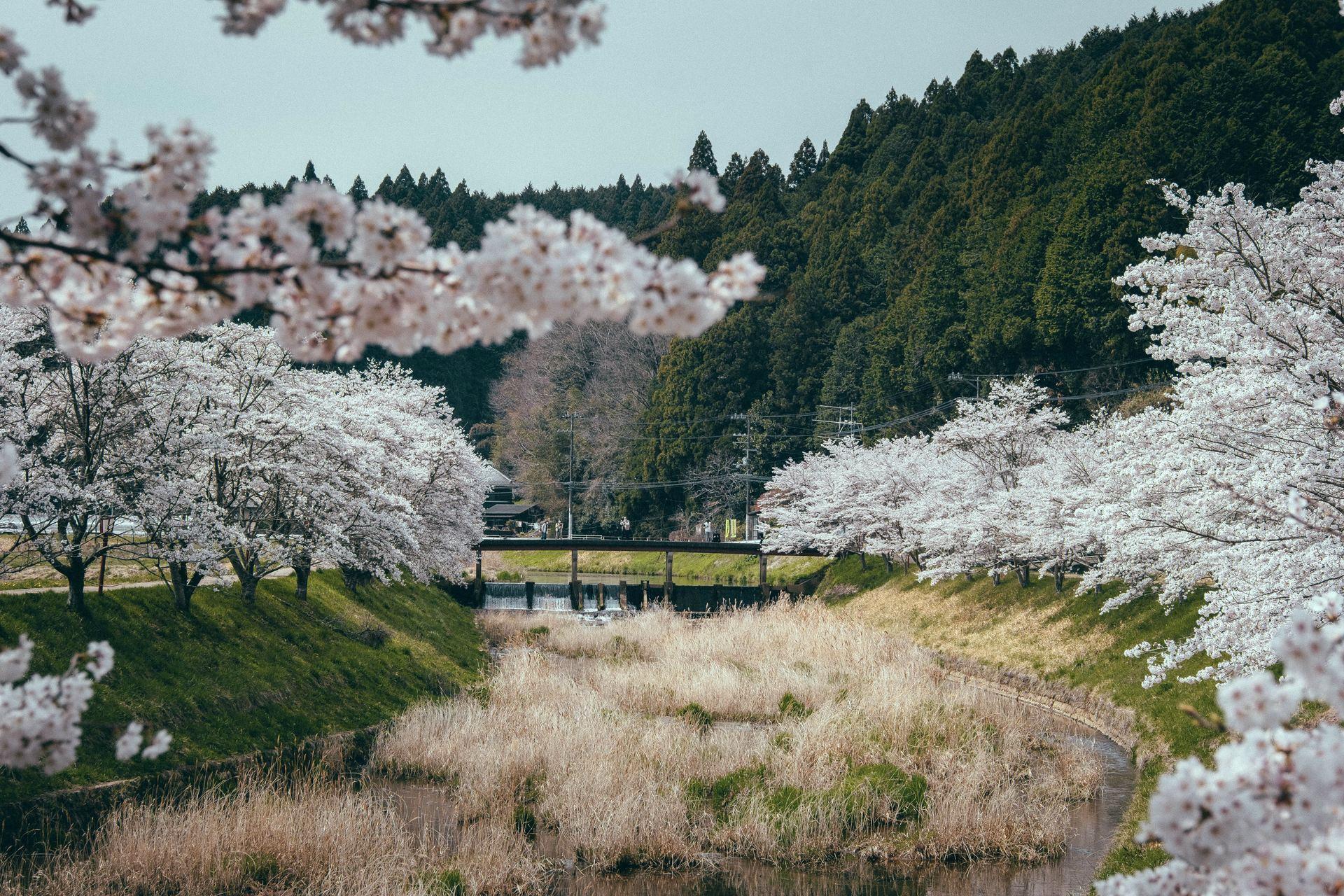
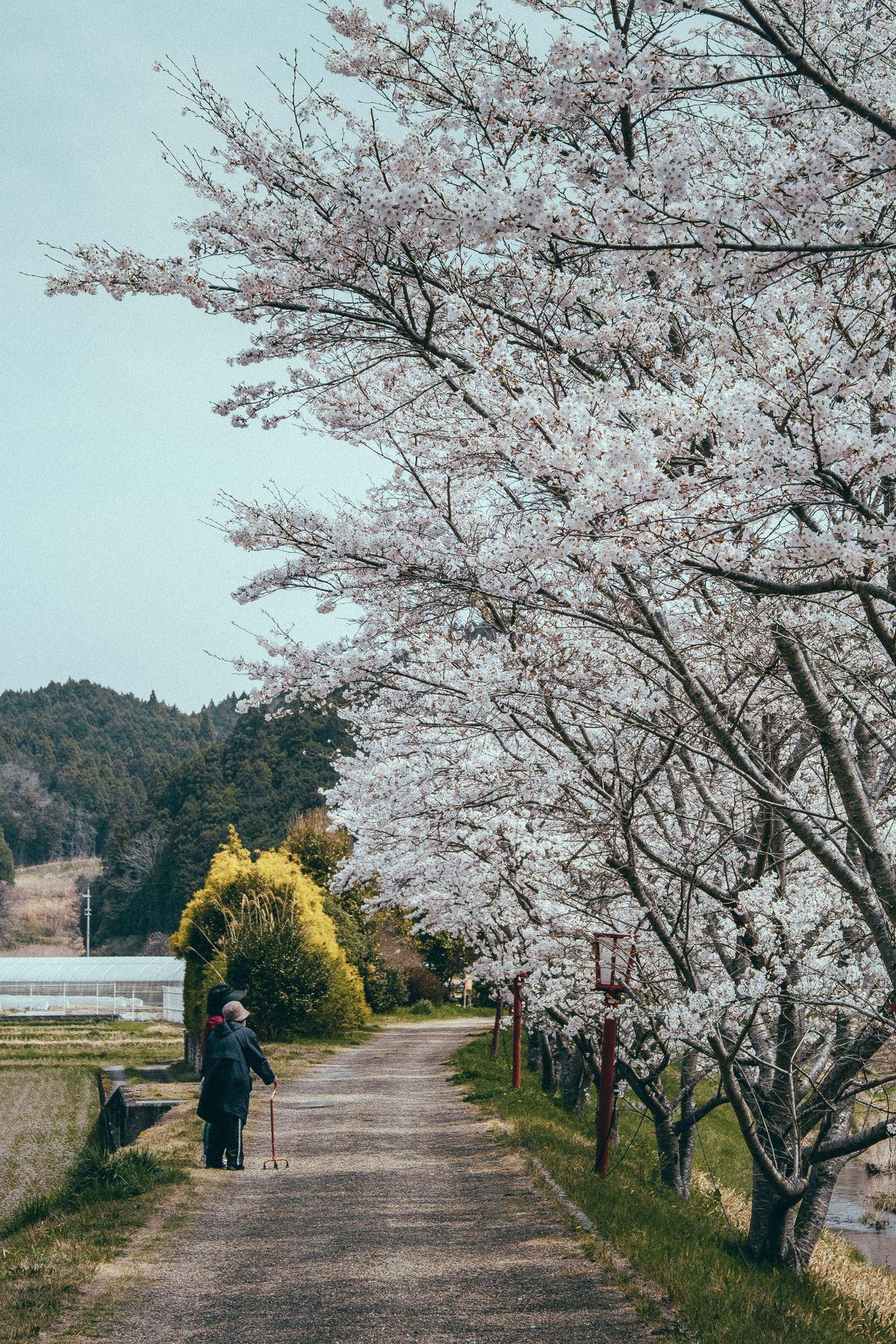
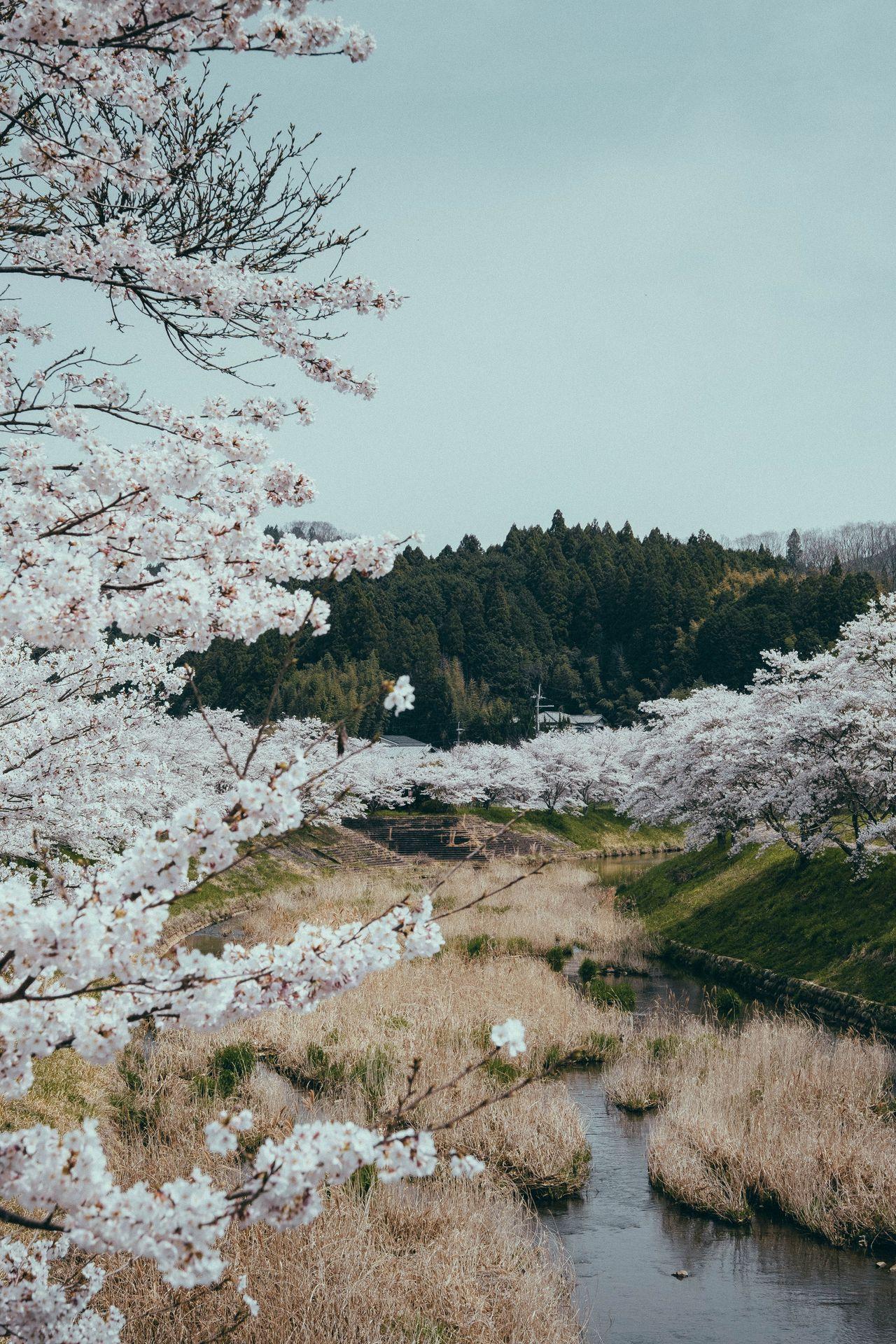
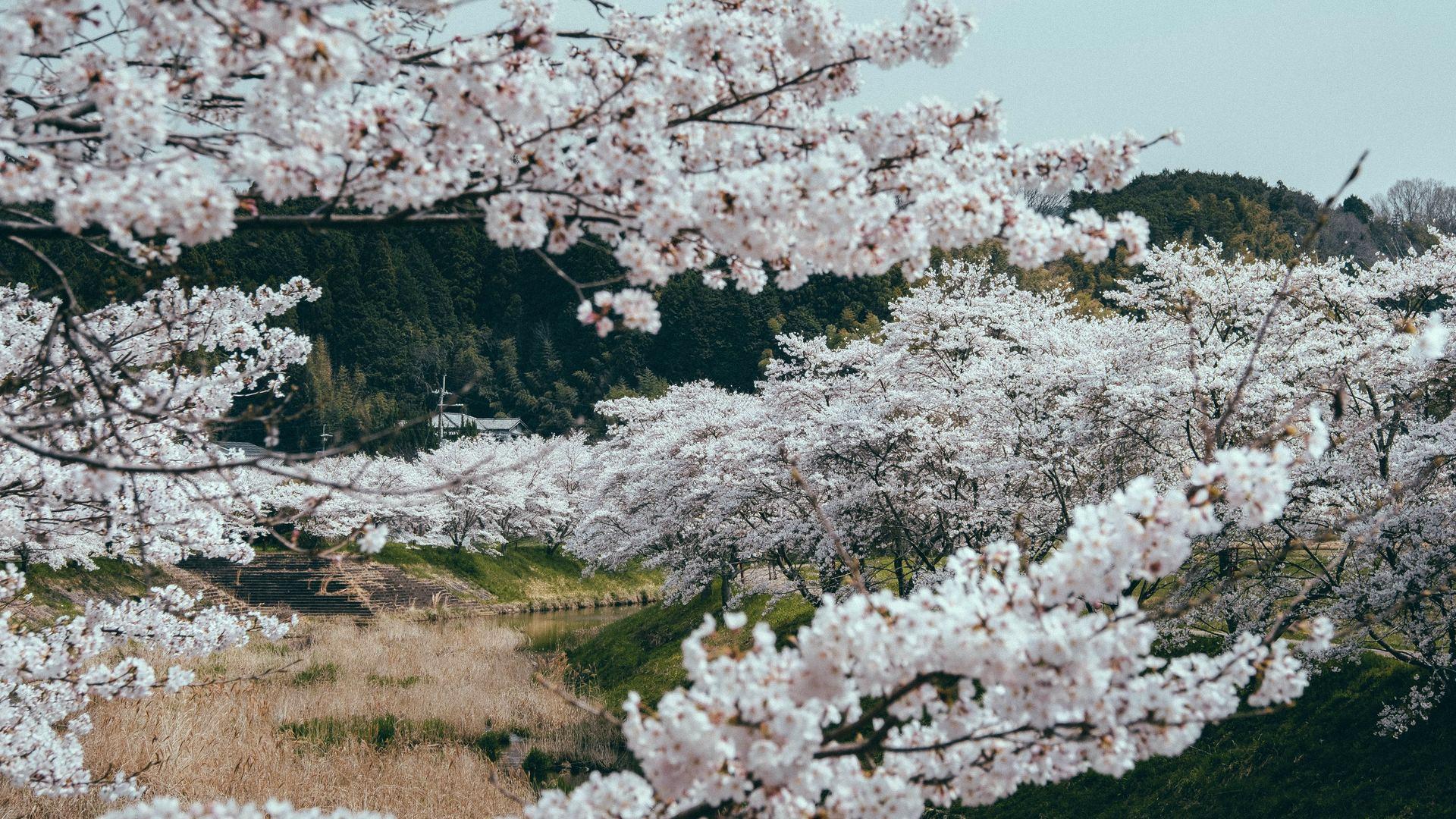
There are some specific spots for cherry blossoms like the Mikumari Zakura near the Mikumari shrine but there are a lot of places here and in Japan in general where cherry trees have been planted alongside rivers. If you explore around the city and look around the Yoshino and Uda rivers you will easily stumble upon some of these and you can be sure that they won't be crowded as mostly locals knows about them. All of these spots just look like some of the most popular ones like Nakameguro river but without the crowd. Even without mentioning cherry trees, this city and its surroundings showcase a very typical Japanese and beautiful countryside where rice fields, small forests, rivers and farmhouses perfectly blend together.
Access
Mikumari-zakura - みくまりざくら
https://maps.app.goo.gl/NBVqYBzuKExMxjwA9
Haibara Station ( Kintestsu Osaka Line/Kintetsu Limited-Express) + Bus N° 10 ou 15 [榛原]to Furuichibajizonotsuji Bus Stop
Gratuit
Udagawa sakura-namiki - 宇陀川桜並木
https://maps.app.goo.gl/xJRwQZzt3xx6MAcN7
Haibara Station ( Kintestsu Osaka Line/Kintetsu Limited-Express) + Bus N° 1 ou 2 [大宇陀]to Oudahasama Bus Stop
Gratuit
6 - MOUNT YOSHINO
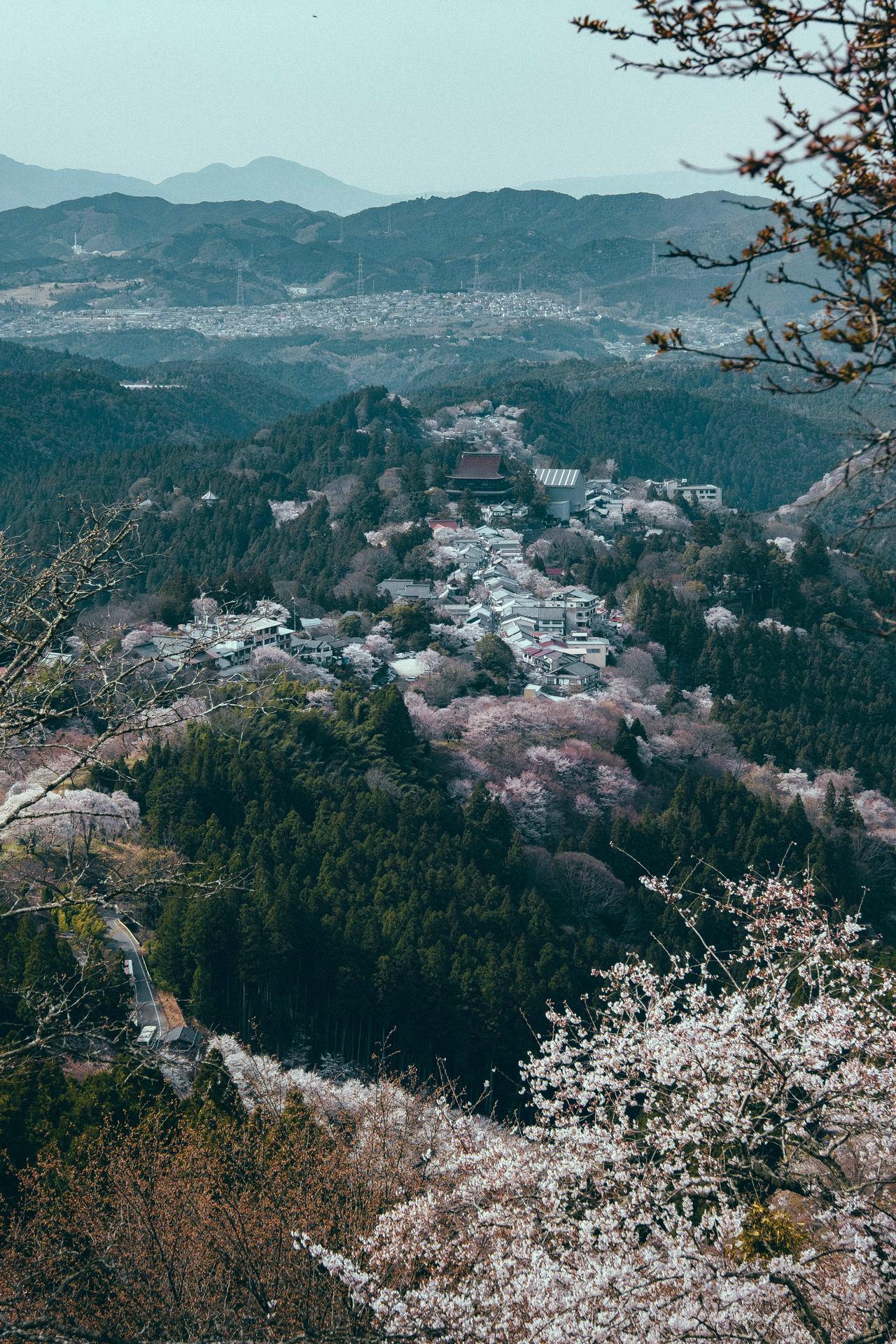
Last but not least, Mt. Yoshino is probably the most famous spots in the region for it's impressive concentration of cherry trees. There are over 30 000 growing on this small mountain mostly poulated by the Shiroyama-zakura variety. No wonder they have inspired several poets and other artists for centuries, the view is pretty amazing everywhere you look. The cherry trees are layered in four parts on the mountain :
- Shimo-senbon (Lower)
- Naka-senbon (Middle)
- Kami-senbon (Upper)
- Oku-senbon (Inner)
Each layer starts blooming at different times, beginning from the lower parts to the inner typically for about a month from the end of March to the end of April. I visited in early April and noticed that most of the trees in the upper and middle parts were not yet in full bloom. I felt that the best time to visit would be a bit later, around mid-April. But keep in mind that the blooming time can vary slightly from a year to another.
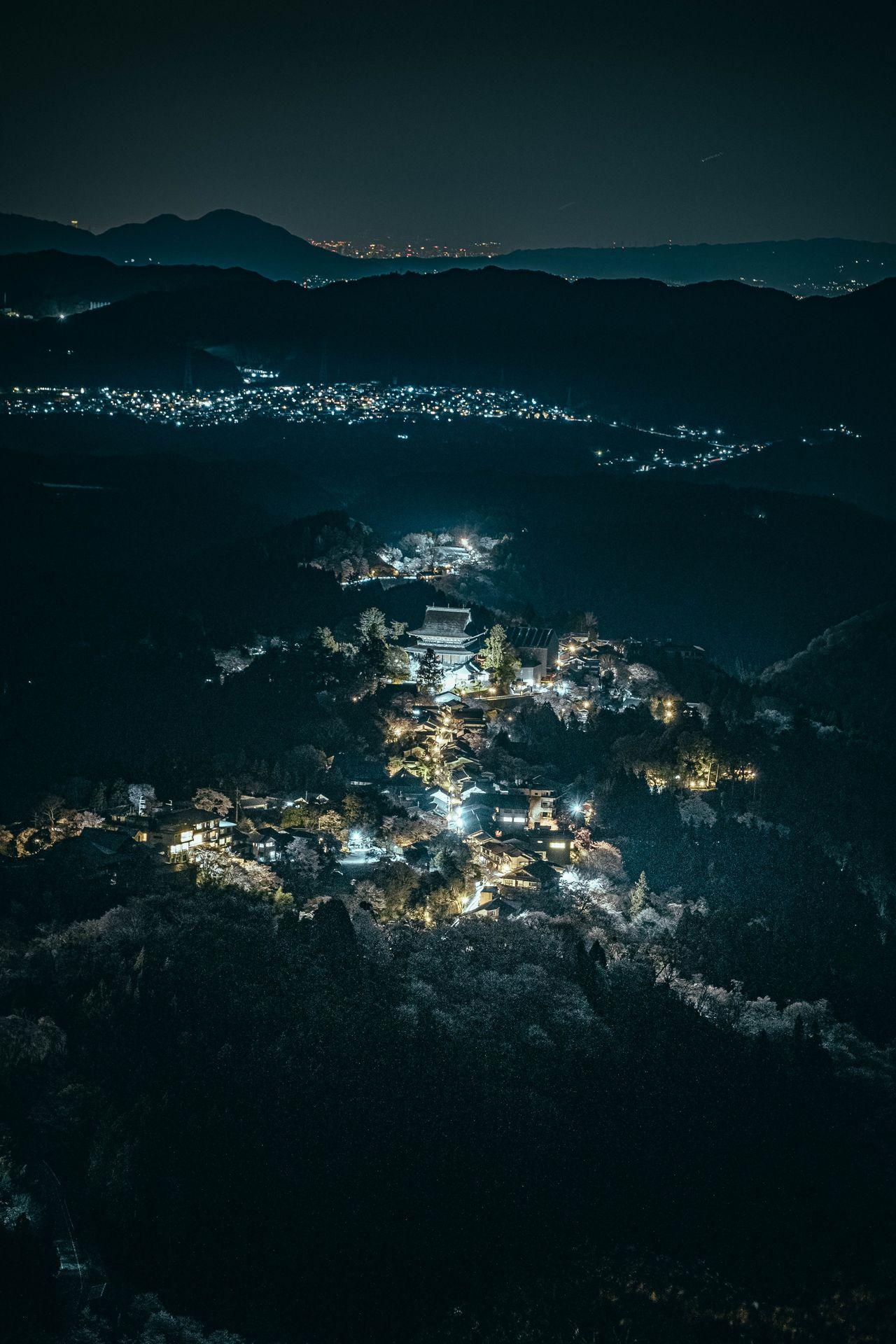
Even though the Kinpusen-ji, a UNESCO World Heritage Site, is worth a visit, I recommend not staying in the lower parts for long but rather going up as it can get a bit crowded mid-day, especially on the main shopping street. It's pretty popular among Japanese but foreigners are still rarely seen here. As usual, to avoid the crowd it's better to go early in the morning. Staying late in the afternoon until the evening to enjoy a very different atmosphere with the special illuminations set for this season is also a good idea.
Access
Mont Yoshino - 吉野山
Yoshinoyama, Yoshino, Yoshino District, Nara 639-3115, Japan
Yoshino ( Kintestsu Yoshino Line/Kintetsu Limited-Express) / Yoshinoyama Ropeway Station
Gratuit